

Have you ever felt tired even after a full night’s sleep, struggled to stay active, or found it difficult to maintain healthy habits in your busy routine? You’re not alone. Modern lifestyles often involve long hours of sitting, processed foods, high stress, and insufficient physical activity, all of which can negatively affect both physical and mental well-being. Over time, these habits may increase the risk of obesity, heart disease, type 2 diabetes, high blood pressure, and other preventable health conditions.
Health fitness doesn’t require extreme diets, expensive gym memberships, or unrealistic workout plans. Research from trusted organizations such as the World Health Organization (WHO), the Centers for Disease. Control and Prevention (CDC), and the American College of Sports Medicine (ACSM) shows that small, consistent lifestyle changes can lead to significant long-term health benefits. Simple habits like eating balanced meals, staying physically active, getting quality sleep, managing stress, and drinking enough water can transform your overall well-being.
Health fitness, explaining smart daily habits, effective exercise strategies, nutrition tips, and sustainable lifestyle practices that can help you build a healthier, stronger, and more balanced life. Whether you’re just getting started or looking to improve your current routine, you’ll find actionable advice supported by trusted health experts.
Read more: 10 Fitness Tips for Beginners to Build Healthy Habits
What Is Health Fitness?
Health fitness refers to the combination of physical well-being, healthy lifestyle habits, and the body’s ability to perform everyday activities efficiently without excessive fatigue. It goes beyond appearance or athletic performance and focuses on maintaining overall physical, mental, and emotional wellness. The concept combines two closely related areas:
Health
Health is a state of complete physical, mental, and social well-being rather than simply the absence of disease. This widely accepted definition, introduced by the World Health Organization, highlights that true health includes multiple aspects of daily life, including emotional resilience, healthy relationships, and access to proper healthcare. Good health is influenced by several factors, including:
- Balanced eating habits
- Regular physical activity
- Adequate sleep
- Stress management
- Preventive healthcare
- Healthy lifestyle choices
Physical Fitness
Physical fitness is the body’s ability to carry out daily activities with energy and efficiency while maintaining enough reserve capacity for recreation and unexpected physical demands. It includes several important components:
- Cardiovascular endurance
- Muscular strength
- Muscular endurance
- Flexibility
- Body composition
- Balance and coordination
How Health and Fitness Work Together
Although health and fitness are often discussed separately, they are deeply connected. Regular exercise strengthens the heart, muscles, lungs, and bones while also supporting mental health through reduced stress and improved mood. At the same time, nutritious eating, sufficient sleep, and healthy daily routines improve recovery, energy levels, and overall physical performance.
For example: someone who exercises regularly but consistently sleeps too little or follows an unhealthy diet may not experience the full benefits of physical activity. Similarly, eating nutritious foods without engaging in regular movement can limit cardiovascular fitness and muscle strength. Combining these healthy behaviors creates a balanced approach that supports long-term wellness.
Why Health Fitness Is Important
Developing strong health fitness habits provides benefits that extend far beyond physical appearance. Research from organizations such as the WHO, CDC, and NIH consistently shows that healthy lifestyle behaviors can improve quality of life while lowering the risk of many preventable health conditions.
Regular physical activity strengthens the cardiovascular system, helping the heart pump blood more efficiently and supporting healthy blood pressure levels. Combined with a balanced diet, it also plays an important role in maintaining a healthy body weight and reducing excess body fat.
Health fitness habits contribute to long-term disease prevention. Evidence suggests that maintaining an active lifestyle, eating nutritious foods, managing stress, and getting enough sleep can lower the risk of conditions such as heart disease, type 2 diabetes, obesity, high blood pressure, and certain types of cancer.
The Core Pillars of Health Fitness
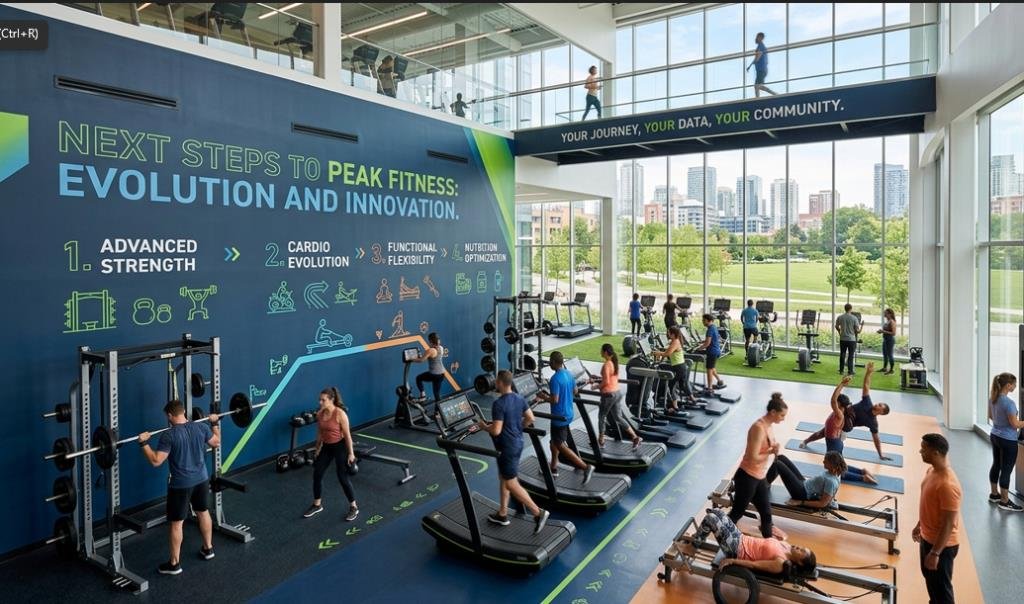
Building strong health fitness is not about following a strict diet for a few weeks or exercising intensely for a short period. Instead, it involves adopting sustainable habits that support your body and mind every day. Experts from the World Health Organization (WHO), Centers for Disease Control and Prevention (CDC), American College of Sports Medicine (ACSM), and Harvard T.H. Chan School of Public Health consistently emphasize five fundamental pillars: balanced nutrition, regular physical activity, quality sleep, stress management, and proper hydration.
Balanced Nutrition
A nutritious diet provides the energy and nutrients your body needs to function efficiently. Rather than focusing on restrictive eating plans, aim to include a variety of whole, minimally processed foods in your daily meals. Healthy eating should include:
- Plenty of fruits and vegetables
- Whole grains such as oats, brown rice, and whole wheat
- Lean protein sources like fish, poultry, eggs, beans, and lentils
- Healthy fats from nuts, seeds, olive oil, and avocados
- Low-fat or fat-free dairy products, where appropriate
Regular Physical Activity
Exercise is one of the most effective ways to improve health fitness. Regular movement strengthens the heart, builds muscle, improves flexibility, supports mental well-being, and enhances overall quality of life. A balanced exercise routine should include:
- Aerobic activities such as brisk walking, cycling, swimming, or jogging
- Strength training using body weight, resistance bands, or weights
- Flexibility exercises like stretching or yoga
- Balance exercises, especially for older adults
Adults should aim for at least 150–300 minutes of moderate-intensity aerobic activity per week or 75–150 minutes of vigorous activity, along with muscle-strengthening exercises on two or more days each week, as recommended by the WHO and CDC.
Quality Sleep
Sleep is often overlooked, yet it plays a critical role in health fitness. During sleep, the body repairs tissues, restores energy, regulates hormones, and strengthens the immune system. Most healthy adults should aim for 7–9 hours of quality sleep each night. Good sleep habits include maintaining a consistent bedtime, limiting screen use before bed, keeping the bedroom quiet and dark, and avoiding excessive caffeine late in the day.
Stress Management
Long-term stress can negatively affect both physical and mental health. It may increase blood pressure, interfere with sleep, reduce concentration, and contribute to unhealthy eating habits. Simple ways to manage stress include:
- Deep breathing exercises
- Meditation or mindfulness
- Regular physical activity
- Spending time outdoors
- Connecting with family and friends
- Maintaining a healthy work-life balance
Hydration
Water is essential for nearly every function in the human body. Proper hydration supports digestion, regulates body temperature, transports nutrients, and improves physical performance. Daily water needs vary depending on age, activity level, climate, and overall health. Drinking water regularly throughout the day and increasing intake during exercise or hot weather helps maintain proper hydration. Pale yellow urine is generally considered a practical sign of adequate hydration for most healthy individuals.
Trusted Health Organizations Behind Modern Health Fitness Guidelines
WHO
The World Health Organization (WHO) is a specialized agency of the United Nations established in 1948 to promote global public health. It develops evidence-based recommendations on physical activity, nutrition, disease prevention, and healthy living.
WHO’s Guidelines on Physical Activity and Sedentary Behaviour recommend that adults get 150–300 minutes of moderate-intensity aerobic physical activity or 75–150 minutes of vigorous-intensity activity each week, along with muscle-strengthening activities on at least two days per week.
CDC
The Centers for Disease Control and Prevention (CDC) is the United States’ national public health agency, founded in 1946. It conducts research, tracks diseases, and provides science-based guidance to help prevent illness and improve public health.
The CDC promotes regular physical activity, balanced nutrition, healthy weight management, adequate sleep, and preventive healthcare as essential components of lifelong health and reduced risk of chronic diseases such as heart disease, type 2 diabetes, and obesity.
ACSM
American College of Sports Medicine (ACSM) is one of the world’s leading professional organizations dedicated to sports medicine, exercise science, and physical fitness. Founded in 1954, ACSM publishes research and develops evidence-based exercise recommendations for healthy individuals, athletes, and people with medical conditions.
Its guidance emphasizes combining aerobic exercise, strength training, flexibility, and balance exercises to improve overall fitness, reduce injury risk, and support long-term health.
National Institutes of Health (NIH)
The National Institutes of Health (NIH) is the primary biomedical and public health research agency of the United States. Comprising 27 institutes and centers, NIH funds and conducts medical research on a wide range of health topics, including nutrition, physical activity, heart health, diabetes, cancer, mental health, and healthy aging.
Through trusted resources such as MedlinePlus and the National Institute of Diabetes and Digestive and Kidney Diseases (NIDDK), NIH provides evidence-based health information that helps individuals make informed lifestyle choices and supports healthcare professionals worldwide.
Smart Daily Habits That Improve Health Fitness
Improving health fitness does not require major lifestyle changes overnight. Small, consistent actions often produce the greatest long-term results. Some practical habits include:
- Start your morning with light stretching or a short walk.
- Eat a balanced breakfast that includes protein and whole grains.
- Include vegetables with both lunch and dinner.
- Carry a reusable water bottle to encourage regular hydration.
- Choose stairs instead of elevators whenever possible.
- Stand up and move every hour if you work at a desk.
- Limit sugary drinks and highly processed snacks.
- Practice mindful eating by avoiding distractions during meals.
- Finish your day with a consistent bedtime routine.
Creating a Sustainable Health Fitness Routine

One of the biggest challenges people face is staying consistent. Many fitness plans fail because they are too restrictive or unrealistic. A sustainable routine should fit naturally into your daily schedule. Begin by setting SMART goals—Specific, Measurable, Achievable, Relevant, and Time-bound. For example, instead of saying, “I want to exercise more,” choose a goal such as walking for 30 minutes five days each week.
Tracking your progress can also improve motivation. Keeping a journal or using a fitness app allows you to monitor workouts, meals, sleep, and water intake. Over time, these records help identify positive habits and areas for improvement. Consistency is far more valuable than perfection. Missing a workout or enjoying an occasional treat should not discourage you. The goal is to return to healthy habits as quickly as possible rather than giving up entirely.
Weekly Exercise Recommendations
Following evidence-based exercise guidelines helps improve health fitness while reducing the risk of injury and chronic disease.
| Activity Type | Recommended Amount | Examples | Benefits |
| Aerobic Exercise | 150–300 minutes of moderate activity or 75–150 minutes of vigorous activity weekly | Walking, cycling, swimming, jogging | Improves heart health, endurance, and calorie burning |
| Strength Training | At least 2 days per week | Weightlifting, resistance bands, bodyweight exercises | Builds muscle, strengthens bones, and boosts metabolism |
| Flexibility Training | 2–3 days per week | Stretching, yoga, Pilates | Improves mobility and reduces stiffness |
| Balance Exercises | 2–3 days per week, especially for older adults | Tai Chi, single-leg stands, heel-to-toe walking | Enhances stability and helps prevent falls |
Health Fitness at Home
Health fitness does not require an expensive gym membership or specialized equipment. Many effective exercises can be performed at home using only your body weight or a few affordable fitness tools. Home workouts are convenient, flexible, and easier to fit into busy schedules, making them an excellent option for beginners and experienced individuals alike.
Bodyweight Exercises
Bodyweight exercises build strength by using your own body as resistance. They improve muscular endurance, coordination, and balance while reducing the need for equipment. Popular bodyweight exercises include:
- Squats
- Push-ups
- Lunges
- Planks
- Glute bridges
- Mountain climbers
- Bird-dog exercises
Home Cardio Activities
Cardiovascular exercise strengthens the heart and lungs while helping burn calories. Effective home cardio activities include:
- Jumping jacks
- Marching or jogging in place
- Dancing
- Stair climbing
- Jump rope
- High knees
- Low-impact aerobic routines
20–30 minutes of moderate-intensity activity most days of the week can significantly improve cardiovascular health.
Stretching and Mobility
Flexibility exercises improve joint movement, reduce muscle tightness, and support injury prevention. Simple stretches include:
- Hamstring stretch
- Shoulder stretch
- Hip flexor stretch
- Calf stretch
- Chest stretch
- Neck mobility exercises
Affordable Home Fitness Equipment
If you wish to expand your workouts, inexpensive equipment can add variety without requiring a large investment. Useful options include:
- Resistance bands
- Dumbbells
- Kettlebells
- Exercise mat
- Stability ball
- Foam roller
- Jump rope
Common Health Fitness Mistakes to Avoid
Many people begin their health fitness journey with enthusiasm but unintentionally develop habits that slow progress or increase injury risk. Recognizing these common mistakes can help you achieve better long-term results.
Skipping Warm-Ups
Starting intense exercise without warming up can increase the likelihood of muscle strains and joint injuries. A proper warm-up should include 5–10 minutes of light movement and dynamic stretching to prepare the body for activity.
Ignoring Recovery
Recovery is just as important as exercise itself. Muscles need time to repair after physical activity. Overtraining without adequate rest may lead to fatigue, reduced performance, and increased injury risk. Recovery strategies include:
- Getting enough sleep
- Staying hydrated
- Eating protein-rich meals
- Scheduling rest days
- Performing light stretching after workouts
Following Fad Diets
Many popular diets promise rapid weight loss but often eliminate important nutrients or are difficult to maintain. Sustainable eating patterns based on whole foods are generally healthier and easier to follow over the long term.
Setting Unrealistic Goals
Trying to lose large amounts of weight or build significant muscle within a short period often leads to disappointment. Realistic expectations encourage consistency and reduce the temptation to quit.
Poor Hydration
Even mild dehydration can affect exercise performance, concentration, and energy levels. Drinking water consistently throughout the day supports both physical activity and overall health.
When to Seek Professional Guidance
Although many people can improve their health fitness independently, professional advice is valuable in certain situations. You should consider consulting a healthcare provider if you:
- Have heart disease, diabetes, or other chronic medical conditions.
- Experience chest pain, dizziness, or shortness of breath during exercise.
- Are recovering from surgery or injury.
- Are pregnant or recently gave birth.
- Have concerns about starting a new fitness program.
A registered dietitian can provide personalized nutrition guidance based on your health goals, dietary preferences, and medical needs. Likewise, a certified fitness professional can design safe and effective exercise programs that match your current fitness level.
Conclusion
Poor lifestyle habits don’t develop overnight, and neither does good health fitness. Busy schedules, unhealthy eating, lack of exercise, poor sleep, and chronic stress can gradually affect your energy, productivity, and long-term health. The encouraging news is that these challenges can be addressed through consistent, realistic changes rather than drastic measures.
By following evidence-based practices such as regular physical activity, balanced nutrition, quality sleep, proper hydration, and stress management, you can create lasting improvements in your overall well-being. Provided a practical roadmap to help you make informed decisions and build sustainable health fitness habits that support a healthier, more active, and fulfilling life for years to come.
FAQs about health fitness
Q1. What does health fitness mean?
Ans: Health fitness refers to the combination of healthy lifestyle habits and physical fitness that enables your body to function efficiently while supporting physical, mental, and emotional well-being. It includes regular exercise, balanced nutrition, quality sleep, hydration, and effective stress management.
Q2. How much exercise should adults get each week?
Ans: According to the World Health Organization (WHO), adults should aim for 150–300 minutes of moderate-intensity aerobic activity or 75–150 minutes of vigorous-intensity activity each week. Muscle-strengthening exercises should also be performed on two or more days weekly.
Q3. Can beginners improve health fitness without joining a gym?
Ans: Yes. Walking, bodyweight exercises, cycling, stretching, yoga, and home workouts are effective ways to improve health fitness. Consistency is more important than having access to expensive equipment or gym memberships.
Q4. Which foods best support health fitness?
Ans: A balanced diet rich in fruits, vegetables, whole grains, lean proteins, healthy fats, and adequate water provides the nutrients needed to support energy, recovery, and long-term health.
Q5. Why is sleep important for health fitness?
Ans: Quality sleep allows the body to recover, repair muscles, regulate hormones, strengthen the immune system, and improve mental focus. Most adults should aim for 7–9 hours of sleep each night.
Q6. Is walking enough for good health fitness?
Ans: Brisk walking is an excellent form of aerobic exercise that supports heart health and overall wellness. However, combining walking with strength training and flexibility exercises provides more complete fitness benefits.
Q7. How long does it take to notice fitness improvements?
Ans: Many people notice increased energy, better mood, and improved endurance within a few weeks of consistent healthy habits. Long-term improvements depend on regular exercise, balanced nutrition, and adequate recovery.