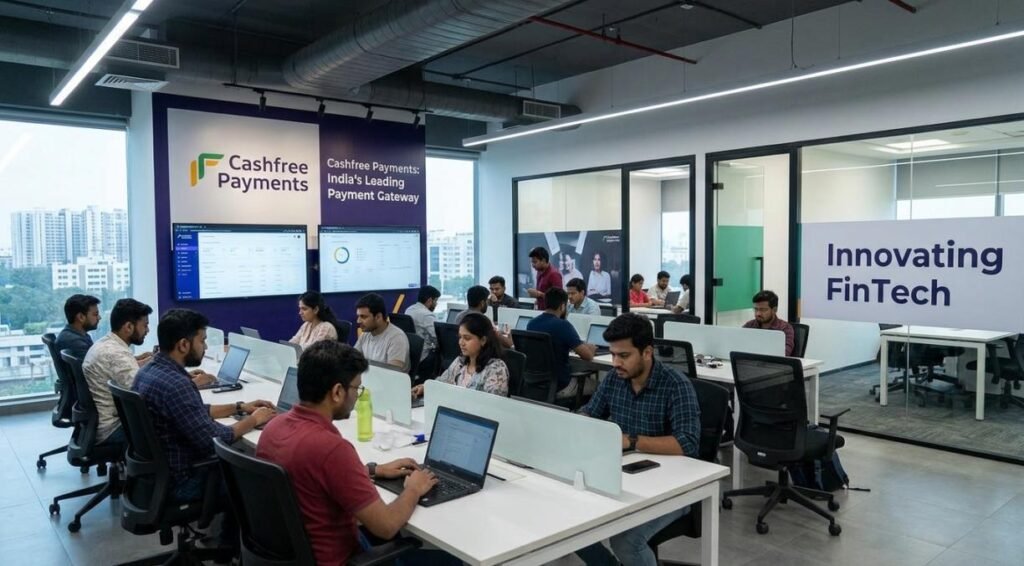

Online payments have become a normal part of running a business. Whether a company sells products through an online store, collects invoices, accepts subscription payments, or sends money to vendors, reliable payment infrastructure can make a major difference. Cas hfree is a payments technology platform built for businesses that need to collect payments, make payouts, handle recurring transactions, and support domestic or international payment use cases.
Cashfree Payments says its platform serves more than 1.2 million businesses and supports payment acceptance through UPI, cards, net banking, wallets, EMI and other methods. What Cas hfree Payments does, how its services work, its major features, payment methods, security considerations, pricing factors, and common business use cases.
Read More :Timebears com: Features, Uses, Safety & Productivity Guide
What Is Cashfree Payments?
Cashfree Payments is an Indian payment technology company that provides infrastructure for businesses to collect and disburse money. Its product range includes Payment gateways, payment links, payouts, recurring payments, international payment services, identity verification and other financial technology tools. For an online business, a payment gateway can act as the technology layer between the customer’s chosen payment method and the merchant. Instead of building separate payment connections for cards, UPI and other methods, a business can integrate a payment platform and manage transactions through a unified system.
Cashfree is also an RBI-authorised Payment Aggregator. Its official RBI certificate states that Cashfree Payments India Private Limited was authorised to operate as a Payment Aggregator in India effective December 16, 2025. The company also states that it holds an RBI-authorised Prepaid Payment Instrument licence and maintains PCI DSS and ISO certifications.
How Does Cashfree Work?
The basic process is straightforward.
Accepting Customer Payments
A business integrates Cashfree into its website, mobile application, checkout page, invoice workflow or another supported channel. Customers can then select an available payment method and complete the transaction.
Cashfree’s payment gateway supports methods such as UPI, credit and debit cards, net banking, wallets, EMI and other payment options. The company currently advertises more than 180 payment methods.
Processing and Settling Transactions
After a customer completes a payment, the transaction passes through the payment infrastructure and is subsequently settled according to the merchant’s applicable settlement arrangement. Settlement timing can depend on the product, merchant account, transaction type and eligibility. Cashfree also offers an Instant Settlements product for eligible businesses, with the company advertising settlements within 15 minutes.
Managing Payouts
Cashfree is not limited to collecting money. Businesses can also use its Payouts products to send funds to bank accounts, UPI IDs and other supported destinations. This can be useful for marketplaces paying sellers, companies sending refunds, businesses paying vendors, or platforms distributing funds to users. Cashfree says its payout infrastructure supports 24×7 disbursals and provides transaction monitoring and reporting tools.
Main Cashfree Features
Cashfree offers several products rather than operating only as a traditional payment gateway.
Payment Gateway
The payment gateway is one of its main products. Businesses can accept digital payments through websites and applications while providing customers with multiple payment choices. Cashfree supports API-based integrations, SDKs and plugins for platforms such as WooCommerce, Shopify, Magento, Wix and other systems.
Payment Links and Forms
Payment Links are useful when a business wants to collect money without building a complete online checkout. A merchant can create a link and share it through channels such as WhatsApp, SMS, email, social media or QR codes. Cashfree also provides payment forms for specific collection requirements. This can be particularly useful for freelancers, consultants, educators, small businesses, service providers and companies collecting invoices or deposits.
Payouts
Cashfree Payouts is designed for businesses that need to send money rather than only receive it. For example, an online marketplace might collect a customer’s payment and later distribute money to a seller. A company may also need to send vendor payments, refunds or other business disbursements. Cashfree provides APIs and dashboard tools for managing these transactions.
Recurring Payments
Businesses with subscription or recurring billing models can use recurring payment products. Cashfree lists Subscriptions, UPI AutoPay and eNACH among its recurring payment services. These tools can help businesses automate repeat collections instead of manually requesting payment from customers each billing cycle.
International Payments
Cashfree also supports international payment use cases. Its website states that businesses can accept international payments in more than 140 currencies, while its international payment products include card payments, PayPal, Apple Pay and local bank-transfer options in supported markets. International payment availability can depend on the business, country, payment method, regulatory requirements and account configuration, so merchants should verify the current eligibility and commercial terms before implementation.
Identity Verification
Another part of Cashfree’s product portfolio is identity verification. Its Secure ID products cover use cases such as bank-account verification, PAN, Aadhaar, GSTIN, driving licence, passport, DigiLocker and other verification workflows. This can be useful for fintech platforms, marketplaces and other businesses that need customer or seller verification.
Cashfree Payment Methods
One reason businesses consider Cashfree is the range of payment methods available through its platform.
| Payment Method | Typical Business Use |
| UPI | Fast everyday payments in India |
| Credit & debit cards | Online purchases and higher-value transactions |
| Net banking | Direct bank-based online payments |
| Wallets | Digital wallet transactions |
| EMI | Higher-value purchases where supported |
| BNPL | Deferred or instalment-style payment options |
| International cards | Payments from customers in supported overseas markets |
| Bank transfers | Selected domestic and international collection use cases |
Cashfree Fees and Charges

Payment gateway pricing is one of the most important factors for a business because even small differences in transaction costs can become significant as sales volume increases. Cas hfree’s charges can vary by product, payment method, merchant category and applicable commercial arrangement. The company maintains a dedicated pricing page with current payment gateway and payout-related charges. Rather than relying on an old third-party pricing article, businesses should check Cas hfree’s current pricing information before signing up or calculating payment-processing costs.
Businesses should also consider more than the headline transaction rate. Other factors can include settlement terms, refunds, international transactions, payout fees, payment-method-specific charges and any applicable taxes. For high-volume merchants, it can be useful to calculate the total payment cost using actual expected transaction volumes rather than comparing one percentage in isolation.
Is Cashfree Safe?
Payment security should be considered from both regulatory and technical perspectives. Cas hfree states that it operates as an RBI-authorised Payment Aggregator and maintains PCI DSS compliance. Its official site also lists ISO 9001 and ISO 27001 certifications.
Its Payment Links product similarly states that the infrastructure is RBI-authorised and PCI DSS compliant. These credentials provide useful evidence about the platform’s regulatory and security framework, but they do not mean every transaction is automatically risk-free. Businesses still need appropriate account security, access controls, fraud monitoring, reconciliation procedures and customer-support processes. Customers should also check the merchant name and payment amount before completing a transaction. A legitimate payment platform can still be used by dishonest merchants, so users should not treat the presence of a familiar payment processor as proof that the underlying seller is trustworthy.
Cashfree for Websites and Apps
Cas hfree can be integrated into websites and mobile applications in several ways.
API and SDK Integration
Developers can use APIs and SDKs to integrate payment functionality into a custom application. Cas hfree provides developer resources and supports programming environments including Java, Python, PHP and. This approach is useful when a business needs a customised checkout, automated payment status handling, webhooks, recurring billing or other application-specific workflows.
E-commerce Integrations
Businesses using popular website platforms can also use ready-made integrations. Cas hfree lists support for platforms such as Shopify, WooCommerce, Magento, Wix and others. For smaller businesses, a plugin can be easier than developing a payment integration from scratch.
Payment Links Without a Website
A business does not necessarily need a full e-commerce website to collect payments. Cas hfree Payment Links allow merchants to create a payment request and send it to customers through channels such as WhatsApp, email, SMS or social media. For a freelancer sending an invoice or a consultant collecting a booking deposit, this can be considerably simpler than building an entire checkout system.
Cashfree for International Payments
Cross-border transactions have different requirements from domestic payments. Currency conversion, payment-method availability, regulations, settlement currencies and merchant eligibility can all affect the process. Cashfree’s international payment offering supports customers in overseas markets and states that it can accept payments in 140+ currencies. It also provides options involving international cards, PayPal, Apple Pay and local bank transfers for supported use cases. Businesses selling internationally should confirm supported countries, currencies, settlement arrangements, fees and compliance requirements before relying on a particular payment method. For exporters, SaaS companies, agencies and other businesses serving overseas customers, these considerations can be just as important as the checkout experience itself.
Advantages and Considerations
Cashfree can be useful for businesses that want multiple payment and financial tools under one platform. Potential advantages include a broad selection of payment methods, payment links, APIs, recurring-payment options, payouts and international payment capabilities. Its range of integrations can also reduce the amount of custom development required for some businesses.
There are also practical considerations. Pricing can vary by product and merchant arrangement, not every payment method is available for every business, and international transactions may involve additional eligibility and compliance requirements. A business should therefore evaluate Cas hfree according to its actual requirements: transaction volume, customer location, preferred payment methods, integration needs, settlement preferences and total processing costs.
Who Can Use Cashfree?
Cashfree’s products are designed for a broad range of businesses and organisations. Common use cases include:
- E-commerce stores
- SaaS businesses
- Marketplaces
- Startups
- Educational businesses
- Freelancers and consultants
- Travel businesses
- Financial technology companies
- Subscription-based businesses
- Businesses serving international customers
How to Get Started With Cashfree
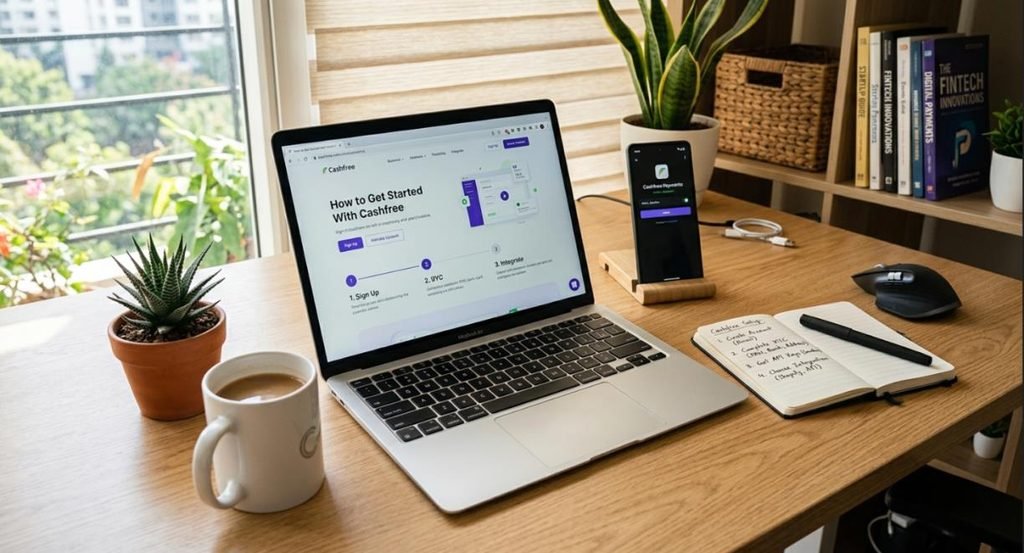
The first step is to identify the payment workflow your business actually needs. If you sell products through a website, you may need the Payment Gateway. If you mainly send invoices or collect deposits, Payment Links may be sufficient. If you operate a marketplace, Payouts and identity verification may be more relevant. After choosing the appropriate product, review the current eligibility, onboarding requirements, pricing and technical documentation on Cas hfree’s official website.
Cashfree states that its onboarding process is paperless and that businesses can access API-based integration and account-management support. During implementation, test successful payments, failed transactions, refunds, webhooks, settlement reports and customer communication before moving fully into production.
Final Thoughts
Cashfree has developed into more than a conventional payment gateway. Its platform combines payment collection, Payment Links, payouts, recurring payments, international transactions and identity-verification services for different types of businesses. For merchants, the main points to evaluate are payment methods, integration requirements, transaction costs, settlement options, international support and compliance needs. Pricing and product availability can change, so current information should always be checked directly with Cashfree before making a business decision.
the most important point is to remember that a payment processor and a merchant are not the same thing. Seeing Cashfree at checkout indicates that the payment is being processed through Cashfree’s infrastructure, but customers should still verify the business, amount and purpose of a payment before completing the transaction. Overall, Cashfree is a significant payment infrastructure provider in India’s digital-commerce ecosystem, with products designed for businesses ranging from small sellers to large technology platforms.
FAQs
Q1: What is Cashfree?
Ans: Cashfree Payments is an Indian payment technology platform that helps businesses collect payments, make payouts, manage recurring transactions, support international payments and use related financial technology services.
Q2: Is Cashfree a payment gateway?
Ans: Yes. Cashfree provides a payment gateway that allows businesses to accept methods such as UPI, cards, net banking, wallets, EMI and other supported payment options.
Q3: Is Cashfree authorised by the RBI?
Ans: Cashfree Payments India Private Limited received an RBI Certificate of Authorisation to operate as a Payment Aggregator in India effective December 16, 2025.
Q4: What payment methods does Cashfree support?
Ans: Cas hfree supports UPI, credit and debit cards, net banking, wallets, EMI, BNPL and other payment methods. Its website currently advertises more than 180 payment methods.
Q5: Can I use Cashfree without a website?
Ans: Yes. Cashfree Payment Links allow businesses to create payment links and share them through channels such as WhatsApp, SMS, email and social media.
Q6: Does Cashfree support international payments?
Ans: Yes. Cashfree offers international payment services and states that businesses can accept payments in more than 140 currencies through supported international payment methods. Availability depends on the merchant and applicable requirements.
Q7: Does Cashfree offer payouts?
Ans: Yes. Cashfree Payouts enables businesses to send money to supported destinations such as bank accounts and UPI IDs. It also provides APIs and dashboard tools for managing payout operations.
Q8: How much does Cashfree charge?
Ans: Cashfree pricing varies according to the product, payment method, merchant arrangement and other factors. The company’s official pricing page provides the current applicable charges, so businesses should verify those figures before making cost calculations.



Pingback: Contractor for Home Renovation: Professional Renovation Services
Pingback: Bluestock Fintech Internship: Eligibility, Benefits and How to Apply
Pingback: kolkata fatafat arcarrierpoint.net: Latest Updates and Daily