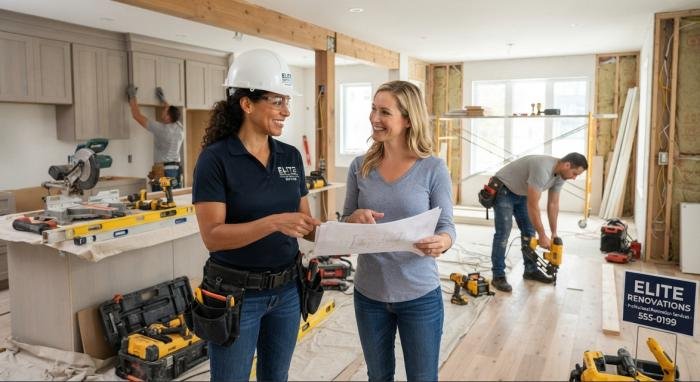

Home renovation is an excellent way to improve the comfort, functionality, appearance, and value of your property. Whether you want to modernize an outdated kitchen, renovate an old bathroom, upgrade your living room, or transform your entire house, choosing the right contractor for home renovation can make a significant difference. Professional renovation services help homeowners plan projects effectively, select suitable materials, manage construction activities, and achieve results that match their needs and budgets.
A reliable contractor coordinates different aspects of the renovation process, from initial planning and cost estimation to construction, finishing, and final inspection. With proper preparation and skilled workmanship, homeowners can turn an ordinary living space into a more attractive, practical, and comfortable environment.
A professional home renovation project involves several important factors, including project scope, estimated expenses, completion time, material selection, and the expertise required for different tasks. Before starting any work, homeowners should understand what services they need and how a qualified contractor can help. The following table highlights common renovation services and their benefits.
Read More: Cashfree Payments: Features, Fees, Security, and How It Works
| Renovation Service | Main Purpose | Potential Benefits |
| Kitchen renovation | Upgrade cabinets, countertops, lighting, and appliances | Improved functionality and appearance |
| Bathroom renovation | Modernize fixtures, tiles, plumbing, and ventilation | Better comfort and easier maintenance |
| Living room renovation | Improve layouts, lighting, flooring, and finishes | More attractive and welcoming spaces |
| Bedroom renovation | Upgrade storage, lighting, walls, and flooring | Greater comfort and organization |
| Exterior renovation | Improve siding, paint, doors, windows, and outdoor areas | Enhanced curb appeal and protection |
| Structural renovation | Modify or repair approved structural components | Improved safety and long-term durability |
| Whole-house renovation | Coordinate improvements throughout the property | A consistent design and better overall usability |
What Is a Contractor for Home Renovation?
A contractor for home renovation is a professional or company responsible for organizing and completing residential improvement projects. Depending on the agreement, the contractor may manage the entire renovation or focus on specific services such as flooring, painting, kitchen remodeling, bathroom upgrades, or interior improvements.
The contractor typically evaluates the property, discusses the homeowner’s goals, prepares an estimate, arranges materials, coordinates workers, and monitors construction progress. Some contractors also work with architects, interior designers, engineers, electricians, plumbers, and other specialists to ensure that the project meets relevant technical requirements.
Hiring a professional contractor can reduce the burden of managing several trades independently. Instead of coordinating every worker, delivery, and construction task yourself, you can work with one primary contact who oversees the agreed scope of work.
However, not every contractor provides the same services. Some specialize in small residential improvements, while others handle extensive remodeling projects. Choosing someone whose experience matches your renovation needs is an important step toward achieving a successful result.
Why Professional Home Renovation Services Matter
Home renovation involves more than changing colors, replacing furniture, or installing attractive finishes. Many projects require careful planning, accurate measurements, appropriate materials, skilled labor, and coordination between multiple construction activities.
Professional renovation services help bring these elements together. A qualified contractor can identify potential problems, recommend practical improvements, and organize work in a logical sequence. This approach can help prevent avoidable delays and reduce the likelihood of expensive corrections.
Better Project Planning
Planning establishes the direction of the renovation. A contractor helps define the work that needs to be completed, identify necessary specialists, estimate material quantities, and establish a realistic schedule.
For example, a kitchen renovation may require cabinet removal, plumbing adjustments, electrical work, wall repairs, countertop installation, and painting. Completing these activities in the correct order helps avoid unnecessary rework.
Skilled Workmanship
Professional workmanship is especially important for tasks involving plumbing, electrical systems, waterproofing, structural components, and permanent finishes. Incorrect installation can lead to leaks, damaged materials, safety hazards, and additional expenses.
Experienced contractors understand the importance of following manufacturer instructions, applicable building codes, and appropriate construction practices. They can also coordinate qualified specialists when a project requires technical expertise beyond their own trade.
Efficient Use of Time
A renovation project can become difficult to manage when workers arrive at different times, materials are unavailable, or tasks are completed in the wrong sequence. A contractor can coordinate labor and deliveries to keep the project organized.
Although unexpected problems can still occur, a clear schedule and regular communication make it easier to address issues and maintain progress.
Improved Appearance and Functionality
A successful renovation should improve how a home looks and how it works. Professional contractors can help homeowners make better use of available space, improve lighting, upgrade storage, and select finishes that complement the overall design. The result can be a more practical living environment that supports everyday activities while reflecting the homeowner’s personal preferences.
Common Services Offered by a Home Renovation Contractor
The services available depend on the contractor’s expertise, project requirements, and local regulations. Understanding common renovation options can help you decide which improvements are most appropriate for your property.
| Service Category | Typical Work Included | Important Considerations |
| Interior remodeling | Wall finishes, room layouts, ceilings, and trim | Design consistency and room functionality |
| Kitchen remodeling | Cabinets, counters, sinks, backsplashes, and lighting | Plumbing, electrical connections, and ventilation |
| Bathroom remodeling | Showers, toilets, tiles, vanities, and waterproofing | Moisture protection and drainage |
| Flooring installation | Tile, hardwood, laminate, vinyl, or other flooring | Subfloor condition and material suitability |
| Painting and finishing | Interior and exterior painting, plastering, and surface preparation | Surface quality and environmental conditions |
| Electrical improvements | Lighting, outlets, switches, and approved wiring upgrades | Qualified electricians and applicable codes |
| Plumbing improvements | Pipe repairs, fixture replacement, and drainage work | Leak prevention and correct installation |
| Exterior improvements | Doors, windows, exterior finishes, and outdoor spaces | Weather resistance and building protection |
| Whole-home renovation | Multiple coordinated improvements across the property | Budget management and construction sequencing |
Kitchen Renovation
The kitchen is one of the most frequently used spaces in a home. Renovating it can improve food preparation, storage, movement, lighting, and overall appearance. A contractor may help replace outdated cabinets, install new countertops, update flooring, improve task lighting, and coordinate plumbing or electrical changes. The design should consider the relationship between the sink, cooking area, refrigerator, and available work surfaces.
Before construction begins, homeowners should establish storage requirements, appliance locations, ventilation needs, and preferred materials. Durable surfaces and easy-to-clean finishes can be especially valuable in busy kitchens.
Bathroom Renovation
Bathroom renovation can improve comfort, accessibility, hygiene, and visual appeal. Common improvements include new tiles, modern fixtures, updated vanities, improved lighting, and better ventilation.
Waterproofing is one of the most important considerations in bathroom construction. Poorly installed waterproofing or drainage can cause hidden moisture damage, mold growth, and expensive repairs.
A qualified contractor should inspect the existing plumbing and underlying surfaces before recommending major changes. The renovation plan should also account for slip-resistant flooring, adequate ventilation, and suitable fixture placement.
Living Room and Bedroom Improvements

Living rooms and bedrooms often benefit from better lighting, improved flooring, fresh paint, storage solutions, and more effective furniture layouts.
A contractor can help repair damaged walls, install ceiling features, update electrical fittings, and improve the appearance of doors and windows. When changing room layouts, homeowners should consider circulation space, natural light, ventilation, and the placement of furniture.
In bedrooms, built-in storage and carefully planned lighting can make limited space more useful. In living rooms, coordinated finishes and practical seating arrangements can create a comfortable setting for family activities and guests.
Exterior Renovation
Exterior improvements protect a property while enhancing its appearance. Depending on the home, the work may include repainting, repairing exterior walls, replacing damaged doors or windows, improving drainage, and upgrading outdoor areas.
The contractor should assess existing damage before recommending cosmetic improvements. Peeling paint, cracks, persistent dampness, and water infiltration may indicate underlying problems that need attention first.
Selecting weather-appropriate materials and following proper installation procedures can help improve the durability of exterior renovations.
How to Choose the Right Contractor for Home Renovation
Selecting a contractor is one of the most important decisions in any renovation project. The right professional should have relevant experience, communicate clearly, provide a written estimate, and demonstrate a commitment to quality and safety.
Check Experience and Relevant Skills
Start by looking for contractors who have completed projects similar to yours. A professional who regularly renovates bathrooms may not be the best choice for a major structural remodeling project unless they have the appropriate experience and qualified specialists.
Ask about previous work, the types of properties handled, and the construction methods used. Photographs of completed projects can provide a useful starting point, although they should not replace references or other verification.
Verify Licenses, Insurance, and Qualifications
Depending on your location and the nature of the work, contractors may need specific licenses, permits, insurance coverage, or professional qualifications. Requirements can vary considerably between jurisdictions.
Confirm which credentials apply to your project before signing an agreement. Electrical, plumbing, gas, and structural work may require appropriately qualified specialists.
Insurance and written contractual protections can also help clarify responsibilities if accidents, property damage, or other unexpected problems occur.
Request a Detailed Written Estimate
A useful estimate should explain what the contractor intends to do and what the proposed price includes. It should identify major materials, labor, demolition, waste removal, finishing work, and other relevant expenses.
Compare estimates based on the scope and quality of the proposed work rather than choosing solely by price. An unusually low quote may exclude necessary tasks, use different material specifications, or underestimate the time required. Ask for clarification whenever a cost or responsibility is unclear.
Review References and Previous Projects
Speak with previous customers when possible. Ask whether the contractor completed the work as agreed, communicated effectively, maintained reasonable site conditions, and addressed defects appropriately.
You can also ask how unexpected costs were handled and whether the final result matched the original agreement. A contractor who responds professionally to questions and provides verifiable references is generally easier to evaluate than someone who relies only on promises.
Evaluate Communication
Good communication helps prevent misunderstandings throughout a renovation. Your contractor should explain the work clearly, respond to reasonable questions, and provide updates when schedules or costs change.
Before hiring anyone, discuss how often progress reports will be provided, who will approve additional work, and how decisions will be documented.
Understanding Home Renovation Costs
The cost of home renovation varies according to project size, property condition, labor rates, material selection, location, and the complexity of the work. A small painting project will generally require fewer resources than a complete kitchen renovation or a whole-house remodel.
Because every property is different, it is better to request an itemized estimate than rely on a general price that may not reflect your actual needs.
Main Factors That Affect Renovation Expenses
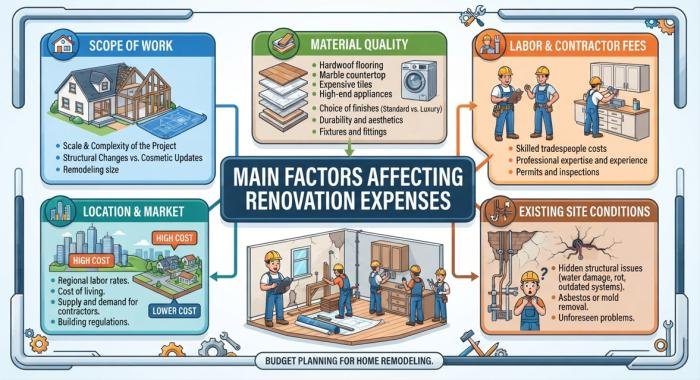
Project size: Larger areas generally require more labor, materials, and time.
Material quality: Premium flooring, custom cabinets, specialized fixtures, and imported finishes can increase costs.
Existing property condition: Damaged wiring, leaking pipes, moisture problems, and deteriorated surfaces may require repairs before cosmetic work begins.
Design complexity: Custom layouts, unusual dimensions, specialized finishes, and structural modifications can require additional expertise.
Labor requirements: Projects involving multiple trades need careful coordination and may require different specialists.
Permits and professional fees: Some renovations require approvals, technical assessments, architectural services, or engineering input.
Waste removal and transportation: Demolition debris, delivery charges, and material handling can affect the total budget.
How to Create a Practical Renovation Budget
Begin by listing the improvements you want to make and separating them into priorities. Safety-related repairs, water damage, electrical hazards, and structural problems should generally take precedence over decorative upgrades.
Next, obtain written estimates and compare the proposed scope of work. Confirm whether materials, labor, transportation, cleanup, taxes, and applicable permit fees are included.
It is also sensible to maintain a contingency reserve for unexpected issues. The appropriate amount depends on the property’s condition and the project’s complexity. Older homes or properties with hidden damage may require a larger reserve than straightforward cosmetic renovations.
Avoid committing your entire budget to visible finishes before considering necessary repairs. A beautiful new floor will not solve a leaking pipe underneath it.
The Home Renovation Process: From Planning to Completion
A structured renovation process makes it easier to manage decisions, costs, and construction activities. Although the exact sequence varies, most projects follow several common stages.
Step 1: Initial Consultation: The contractor discusses your goals, preferred design, budget, schedule, and concerns. This conversation establishes the general direction of the project and helps identify the services required.
You should explain which improvements are essential, which are optional, and whether you plan to remain in the home during construction.
Step 2: Property Inspection and Assessment: The contractor evaluates the relevant areas, measures spaces, and checks visible conditions. Depending on the project, further inspection by a specialist may be needed to assess structural components, electrical systems, plumbing, or moisture damage. The findings help determine whether the original renovation plan is practical or needs adjustment.
Step 3: Design and Material Selection: The next stage involves selecting layouts, finishes, fixtures, and materials. Decisions should balance appearance, durability, maintenance, safety, and affordability. Where necessary, the contractor coordinates with designers, architects, or engineers to prepare technical plans and specifications.
Step 4: Budget and Contract Approval: Before work begins, both parties should agree on the project scope, payment schedule, expected timeline, material specifications, and responsibilities. The written agreement should also explain how variations will be priced and approved, how delays will be communicated, and what warranties or defect remedies apply.
Step 5: Permits and Preparation: Certain projects require building permits, inspections, or approval from relevant authorities. These requirements should be confirmed before construction starts. Preparation may include protecting furniture, establishing safe access, arranging material deliveries, and identifying how water, electricity, or other services will be managed during the renovation.
Step 6: Construction and Installation: The contractor coordinates demolition, repairs, installations, and finishing work according to the agreed plan. Regular progress checks help identify problems before they affect later stages. Homeowners should avoid making informal changes without discussing their effect on cost, materials, and schedule.
Step 7: Final Inspection and Handover: When the work is complete, inspect the finished areas with the contractor. Check surfaces, fixtures, doors, windows, electrical fittings, plumbing connections, and other items included in the agreement.
Record any incomplete work or defects and agree on a reasonable plan for correction. Request applicable warranties, product information, inspection records, and maintenance instructions before considering the project fully complete.
How to Keep a Home Renovation Project on Schedule
Delays can occur because of material shortages, unexpected repairs, weather, design changes, or scheduling conflicts. Good planning can reduce avoidable disruptions.
First, finalize major design decisions before construction begins. Changing tile patterns, cabinet dimensions, or fixture locations after installation has started may require additional labor and materials.
Second, confirm the availability and delivery dates of important materials. Custom products and specialized fixtures may take longer to arrive than standard items.
Third, agree on realistic milestones. Instead of expecting every activity to happen simultaneously, organize the work into stages such as demolition, repairs, installations, finishing, and inspection.
Finally, maintain regular communication with the contractor. If a delay occurs, ask about the cause, the expected impact, and the proposed solution. Written updates help ensure everyone understands the revised schedule.
Modern Home Renovation Ideas for Better Living
A home renovation can improve daily life without requiring every room to be completely rebuilt. Thoughtful changes often provide meaningful improvements in comfort and practicality.
Improve Natural and Artificial Lighting
Better lighting can make rooms feel more welcoming and functional. Consider using natural light where possible and combining general lighting with task and accent lighting. In kitchens, focused lighting can improve visibility around work surfaces. In living rooms, layered lighting can support different activities throughout the day.
Add Practical Storage Solutions
Built-in cupboards, well-planned shelving, and organized storage areas can reduce clutter and make rooms easier to maintain. Storage should be designed around the household’s actual needs rather than added without considering available floor space.
Choose Durable, Easy-to-Maintain Materials
Materials should suit the room’s purpose and environmental conditions. Moisture-resistant finishes are useful in suitable wet areas, while durable flooring can be beneficial in high-traffic spaces. Ask your contractor about cleaning requirements, repair options, product warranties, and long-term maintenance before making final selections.
Improve Energy Efficiency
Depending on the property’s condition and climate, energy-efficient lighting, appropriate insulation, improved sealing, and suitable ventilation can help reduce energy waste. Window upgrades and cooling improvements may also be beneficial, but their value depends on local conditions and installation quality.
A professional assessment can help prioritize improvements that are practical for your property and budget.
Consider Accessibility and Future Needs
A renovation is an opportunity to make a home more comfortable for different ages and mobility requirements. Improvements may include better lighting, reduced trip hazards, more convenient storage, and carefully planned doorways or bathroom layouts. Where accessibility modifications involve structural or technical changes, consult appropriately qualified professionals to ensure the design is safe and suitable.
Residential Renovation Safety and Quality Control
Safety should remain a priority throughout the renovation process. Construction activities may involve dust, noise, sharp materials, power tools, exposed wiring, and temporary disruptions to normal household services.
A professional contractor should establish appropriate worksite procedures, use suitable protective equipment, and coordinate qualified specialists for technical tasks. Homeowners should discuss safe access, ventilation, debris management, and whether children or pets need to be kept away from the construction area.
Quality control should take place throughout the project rather than only at the end. Inspections at important stages can help identify defects before walls are closed, fixtures are covered, or finishes are installed.
For example, plumbing and electrical work may need to be inspected before concealment, while waterproofing may require verification before tiles are installed. Structural work may require formal inspection or approval, depending on local rules.
Keep copies of the contract, approved changes, payment records, material specifications, and relevant inspection documents. These records can help resolve disagreements and support future maintenance.
Is Hiring a Professional Renovation Contractor Worth It?
Hiring a professional contractor can be worthwhile when a project involves multiple trades, technical installations, major repairs, or extensive coordination. The contractor’s role is to organize the work, communicate expectations, and help ensure that the agreed tasks are completed properly.
For very small cosmetic improvements, a homeowner may be able to manage the work independently if they have the necessary skills and the task does not require licensed trades or permits. However, projects involving electrical systems, plumbing alterations, structural changes, or significant waterproofing often benefit from qualified professional involvement.
Conclusion
Contractor for home renovation is an important step toward creating a more comfortable, attractive, and functional home. Professional renovation services can help homeowners coordinate construction activities, manage expenses, select appropriate materials, and improve the quality of their living spaces.
A successful project begins with clear goals, a realistic budget, a detailed written agreement, and a contractor whose experience matches the work required. Careful planning, consistent communication, appropriate safety measures, and regular quality checks can also reduce unnecessary problems.
Frequently Asked Questions
Q1. What does a contractor for home renovation do?
A: A contractor for home renovation manages residential improvement projects, coordinates workers, arranges materials, prepares estimates, monitors construction progress, and helps ensure that the agreed work meets appropriate quality and safety requirements.
Q2. How do I choose the best home renovation contractor?
A: Review the contractor’s relevant experience, previous projects, references, qualifications, and communication practices. Request a detailed written estimate and compare the scope of work, materials, payment terms, and expected schedule before making a decision.
Q3. How much does home renovation cost?
A: Renovation costs depend on the size of the project, material quality, labor rates, property condition, location, and complexity. Request an itemized estimate based on your specific requirements and keep a contingency reserve for unexpected repairs.
Q4. How long does a home renovation project take?
A: The timeline depends on the type and size of the renovation, material availability, necessary approvals, and any unexpected problems. A small cosmetic project may take a short period, while a major renovation can take several weeks or months. Ask your contractor for a realistic project schedule.
Q5. Should I sign a contract before renovation work begins?
A: Yes. A written contract should describe the project scope, material specifications, estimated schedule, payment terms, responsibilities, procedures for changes, and applicable warranties. Clear terms help both parties understand their obligations and reduce misunderstandings.
Q6. Can I stay in my home during renovation?
A: It depends on the scale and location of the work. Minor improvements may allow you to remain at home, but extensive demolition, structural work, or major plumbing and electrical upgrades may make some areas unsafe or temporarily unusable. Discuss access, dust control, noise, and utility interruptions with your contractor.
Q7. What should I check before making the final payment?
A: Inspect the completed work against the written agreement, identify incomplete tasks or defects, and document any necessary corrections. Confirm that relevant inspections have been completed and request applicable warranties, product documents, and maintenance instructions.