

Sharing links has become an important part of everyday online communication. Whether you are a blogger, digital marketer, business owner, freelancer, or social media creator, you probably share multiple URLs every day. However, managing different links, keeping them organized, and finding the right URL at the right time can sometimes be challenging. This is where Linkrify comes into the picture, offering a smart approach to link management that focuses on making everyday sharing easier, faster, and more convenient.
Having an organized link management process can save valuable time and improve the way you handle online resources. Instead of searching through scattered bookmarks, messages, or documents, you can follow a structured approach to manage important URLs. Linkrify highlights the importance of convenient link organization, smoother sharing, and better digital productivity. Whether your goal is to manage website links, share useful content, or support business activities, smart link management can help create a more professional and efficient online experience.
What Is Linkrify?
Linkrify is a smart link management concept designed around making links easier to organize, manage, and share. Links are an important part of the internet because they connect users to websites, articles, products, landing pages, videos, and other online resources. However, when someone handles dozens or hundreds of URLs, keeping everything organized can become challenging.
A structured link management approach helps solve this problem by providing a more convenient way to handle different URLs. Rather than copying and searching for links whenever they are needed, users can organize their resources and make them easier to access.
For website owners, digital marketers, social media managers, and content creators, Linkrify represents an opportunity to improve everyday link-sharing activities. Its central purpose is to make link management more convenient while supporting a smoother experience for both the person sharing a link and the person receiving it.
Read More: Nifty Contribution: How Stocks Affect Nifty 50 Returns and Movements
Why Is Smart Link Management Important?
Links are used in almost every area of digital communication. Businesses include them in marketing campaigns, bloggers use them to connect related articles, and social media creators share them with their followers. As online activities increase, managing these links properly becomes more important.
Without an organized system, users may experience several common problems. They might lose important URLs, share outdated links, use long and confusing web addresses, or spend unnecessary time searching for previously shared resources.
Smart link management helps reduce these difficulties. It encourages users to maintain a structured approach to their URLs and makes sharing more convenient. Here are some reasons why an organized link management process matters:
- Better organization: Important URLs can be grouped and managed more efficiently.
- Time savings: Users can spend less time searching for links.
- Easier sharing: Organized links are easier to access when needed.
- Professional communication: Clean and relevant links can improve the presentation of online content.
- Improved user experience: Visitors can reach the intended information more conveniently.
- Fewer mistakes: A consistent process can help reduce incorrect or outdated link sharing.
How Linkrify Makes Link Sharing Easier
Sharing links should be a simple process. However, when users work with multiple websites, social media accounts, and marketing channels, even a basic task can become complicated. A smart link management approach makes the process more straightforward by encouraging users to organize their URLs and prepare them for different sharing situations.
For example, a blogger may need to share links to several articles, while an online store owner may regularly share product pages with potential customers. Keeping those URLs organized makes it easier to find and distribute the right resource.
Linkrify highlights the importance of a convenient sharing process. Instead of treating every URL as an isolated item, users can think about how their links fit into their overall digital activities. A better sharing process can also improve communication. When someone receives a relevant and accessible link, they can reach the intended page without unnecessary confusion.
Main Benefits of Using a Smart Link Management Approach

Smart link management offers several practical advantages for individuals and businesses. The exact features available depend on the platform being used, but the overall benefits can make everyday online activities more efficient.
1. Better Link Organization
One of the biggest advantages of smart link management is improved organization. People frequently save URLs from different websites, social media platforms, and online resources. Without a clear system, finding a particular link later can become difficult.
An organized approach allows users to arrange links according to their purpose. For example, website owners can separate blog links, product pages, promotional resources, and important business URLs.
2. Faster Link Sharing
Time is valuable, especially for people who regularly publish online content. Searching through browser history, old messages, or random documents to find a URL can interrupt productivity.
A structured link management system makes frequently used links easier to locate. This can help users share relevant resources more quickly and maintain a consistent workflow. Linkrify focuses on this convenience by emphasizing an easier way to handle and share digital links.
3. A More Professional Online Presence
The way links are presented can influence how people perceive online content. Long, confusing, or poorly organized URLs may make communication less appealing.
A suitable link management solution can help users present their URLs in a more organized way. When supported by the platform, features such as custom links or branded URLs may also help create a consistent online identity.
4. Improved Content Accessibility
Good content is valuable only when people can access it easily. If users cannot find the correct link or accidentally receive an outdated URL, they may struggle to reach the intended information. Organized link management helps make important resources easier to locate and share.
For example, an educational website may organize links to tutorials, study materials, and useful articles. This makes it easier for readers to access relevant resources without unnecessary searching.
5. More Efficient Daily Workflows
People who work online often repeat the same tasks every day. They share website pages, send product links, publish articles, and communicate with customers. An organized system can reduce repetitive work and make these activities more manageable.
Linkrify reflects this productivity-focused approach by placing convenience and efficient sharing at the center of link management.
Popular Applications of Link Management
Smart link management is useful across different industries and professional activities. Almost anyone who regularly shares online resources can benefit from a more organized process. The following table explains some common applications and their advantages.
| User Type | Common Link Management Needs | Main Benefits |
| Bloggers | Sharing article URLs and related resources | Better content organization |
| Digital marketers | Managing campaign and promotional links | Easier campaign coordination |
| Social media creators | Sharing videos, profiles, and resources | Convenient content sharing |
| Online businesses | Sharing product and service pages | Improved customer communication |
| Students | Organizing educational resources | Easier access to study materials |
| Website owners | Managing website pages and resources | More organized digital content |
| Freelancers | Sharing portfolios and project links | Professional communication |
How Businesses Can Benefit From Better Link Management
Businesses depend on digital communication to connect with customers, promote their products, and share important information. Links are an important part of this process because they guide potential customers toward specific pages and resources.
For example, an online business may share links to product descriptions, service pages, promotional campaigns, and customer support resources. Managing these URLs properly helps employees find and distribute the correct information. Linkrify offers a useful way to think about improving this process through better organization and easier sharing. Here are some business activities where organized link management can be helpful:
- Product promotion: Businesses can keep product page URLs organized for marketing activities.
- Customer communication: Support teams can share relevant pages and resources with customers.
- Email marketing: Marketers can organize links used in newsletters and promotional messages.
- Social media campaigns: Teams can manage the URLs included in their social media content.
- Website promotion: Important landing pages and business resources can be easier to locate.
- Team collaboration: Employees can maintain a consistent approach to sharing digital resources.
Linkrify for Bloggers and Content Creators
Bloggers and content creators regularly share links with their audiences. These links may lead to blog articles, videos, social media profiles, downloadable resources, or recommended products. Managing all these URLs can become difficult as a content library grows. A creator who publishes content every week may eventually have hundreds of links to organize.
A structured system can help solve this problem by making important URLs easier to find and reuse. For bloggers, organized link management can support several activities:
Promoting Blog Articles: Bloggers can organize published article links according to their categories and topics.
Sharing Related Content: Relevant URLs can help readers move between related articles and resources.
Managing Social Media Posts: Creators can keep track of links shared across different social platforms.
Building an Online Portfolio: Freelancers and creators can organize links to their best projects and published work.
Supporting Audience Engagement: Convenient links can help followers access the content they are interested in.
The Role of Link Tracking and Performance Measurement
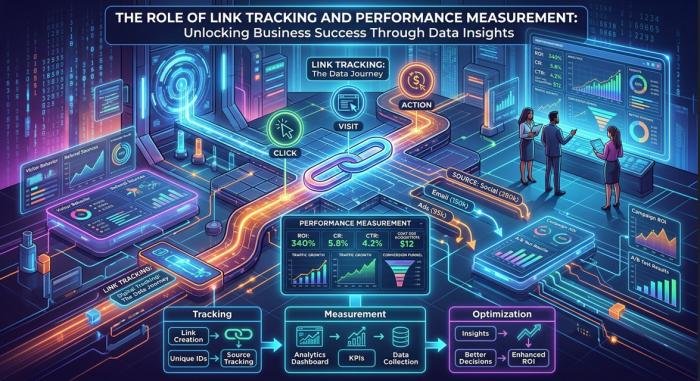
Sharing links is only one part of an effective digital strategy. Understanding how people interact with shared links can also be valuable. Some link management platforms provide tracking and analytics features. Depending on the available tools, these features may help users measure clicks, identify traffic sources, and compare the performance of different campaigns.
For example, a digital marketer may share two different links through separate promotional channels. Tracking data, when available, can help determine which channel generates more engagement.
Before using any analytics feature, it is important to understand what information is collected and how it is processed. Users should also respect applicable privacy requirements and communicate transparently with their audiences.
Linkrify is relevant to this broader approach because effective link management is not simply about storing URLs. It is also about creating a more organized process for sharing and evaluating digital resources.
Best Practices for Managing Links Effectively
Having a link management solution is helpful, but using it properly is equally important. A few simple habits can make your link-sharing process more efficient.
1. Organize Links by Category
Avoid keeping every URL in one unorganized collection. Separate links according to their purpose, such as blog posts, business pages, product resources, and social media profiles. This makes finding the right URL much easier.
2. Use Clear Link Names
When your platform supports custom labels, use descriptive names instead of random words. A clear label helps you identify the destination without opening every link. For example, use a name such as “Latest Marketing Article” rather than “Link 01.”
3. Check Links Before Sharing
Always test important URLs before publishing or sending them. Make sure they open correctly and direct visitors to the intended destination. This simple habit can help prevent broken links and unnecessary frustration.
4. Remove Outdated Links
Web pages sometimes move, change, or become unavailable. Review your saved links regularly and update or remove outdated resources when appropriate. Keeping your collection organized helps maintain a better sharing experience.
5. Choose Relevant Links
Do not share URLs simply to increase the number of links in your content. Every link should have a clear purpose and provide value to the person receiving it.
6. Consider Privacy and Security
Avoid sharing confidential information through public links. Check access permissions before distributing documents or other private resources.
These practices can make your Linkrify-related workflow more organized, reliable, and professional.
Common Link Management Mistakes to Avoid
Even experienced digital professionals can make mistakes when handling URLs. Understanding common problems can help users maintain a better system.
Sharing Broken Links: A URL that no longer works can create a frustrating experience. Check important links before publishing them.
Using Unclear Names: Random labels make it difficult to identify saved resources. Use meaningful descriptions wherever possible.
Ignoring Mobile Users: Many people access shared content through smartphones. Check that the destination pages work properly on mobile devices.
Keeping Duplicate Links: Saving the same URL repeatedly can create unnecessary clutter. Remove duplicates when organizing your collection.
Ignoring Security: Never make private documents publicly accessible without checking their permissions.
Forgetting Link Updates: When a page changes, review any related links you have previously shared.
Linkrify vs. Traditional Link Management
Traditional link management often involves saving URLs in browser bookmarks, spreadsheets, notes, or messaging applications. These methods can work for a small number of links, but they may become difficult to manage as the collection grows. A more structured approach focuses on organization, accessibility, and convenient sharing.
| Comparison Area | Traditional Method | Smart Link Management |
| Organization | Often spread across different places | Can follow a structured system |
| Accessibility | May require manual searching | Easier access to organized links |
| Sharing | Usually involves manual copying | Designed around convenient sharing |
| Maintenance | Requires individual attention | Can support a more consistent routine |
| Collaboration | May involve sharing separate documents | Can simplify resource organization |
| Performance Tracking | Often requires separate tools | May be available through supported analytics |
Who Should Consider Using Linkrify?
Smart link management can be useful for a wide range of users. You do not need to run a large company or manage a professional marketing team to benefit from an organized link-sharing process. Here are some people who may find this approach particularly useful:
- Bloggers: People who publish articles and regularly share website resources.
- Digital marketers: Professionals who manage promotional links and online campaigns.
- Small business owners: Entrepreneurs who share product pages and service information.
- Freelancers: Independent professionals who distribute portfolio and project links.
- Social media managers: People responsible for publishing content across multiple platforms.
- Educators: Teachers and students who regularly exchange learning materials.
- Website administrators: People who manage multiple pages and online resources.
How to Get Better Results From Link Management
Getting better results requires more than simply collecting URLs. You should develop a consistent strategy that supports your daily goals. Start by identifying the types of links you use most frequently. These may include website pages, blog articles, product URLs, promotional resources, or social media profiles.
Next, arrange those links into meaningful categories. This will make it easier to find the right resource when you need it. You should also review your links regularly. Check whether important URLs are still working and whether their destinations remain relevant.
When sharing links, consider the needs of your audience. A relevant link with a clear description is more useful than an unexplained URL. If your chosen platform provides tracking features, use the available information responsibly to evaluate engagement. Pay attention to which resources receive interest and where improvements may be needed.
The Future of Smart Link Management
As more businesses and individuals depend on online communication, the importance of effective link management is likely to continue growing. Digital platforms are constantly changing, and people now share content through websites, mobile applications, messaging services, and social networks. Managing URLs across these different channels requires a more organized approach.
Future link management solutions may place greater emphasis on automation, advanced analytics, personalized sharing, and improved collaboration. Artificial intelligence may also help users organize large collections of digital resources and identify useful patterns. Security and privacy will remain important considerations. Users will continue to need reliable ways to manage access, protect sensitive resources, and share information responsibly.
Linkrify fits into this wider movement toward smarter digital organization. By focusing on convenience and efficient sharing, it reflects the growing need for practical solutions that make online communication easier.
Final Thoughts
Managing links properly is an important part of maintaining an organized digital presence. From sharing website pages and blog articles to promoting products and connecting with customers, having an efficient system can make everyday online activities much easier. Linkrify represents a practical approach to handling these tasks by focusing on better organization, convenient access, and smoother link sharing. With the right habits and suitable tools, users can reduce unnecessary work and make their digital communication more effective.
Ultimately, successful link management is about making information easier to access and share. Whether you are running an online business, creating content, or managing multiple digital platforms, keeping your links organized can support better productivity and communication. By following a consistent strategy, checking URLs regularly, and sharing relevant resources, you can create a smoother experience for your audience. Choose a link management approach that matches your needs and make your everyday sharing process simpler and more efficient.
Frequently Asked Questions
Q1: What is Linkrify?
Ans: Linkrify refers to a smart link management approach focused on organizing, managing, and sharing URLs more conveniently. It is relevant for individuals, content creators, marketers, and businesses that regularly work with online links.
Q2: How can smart link management improve productivity?
Ans: Smart link management can improve productivity by making important URLs easier to organize and access. Instead of searching through multiple applications or documents, users can follow a structured system to find and share the resources they need.
Q3: Who can benefit from Linkrify?
Ans: Bloggers, digital marketers, freelancers, small business owners, social media managers, website administrators, and educators can all benefit from better link organization and sharing practices.
Q4: Is link tracking important for digital marketing?
Ans: Yes. Link tracking can help marketers understand how audiences interact with shared URLs. When analytics features are available, they can provide information about clicks, traffic sources, and campaign engagement.
Q5: Can smart link management help online businesses?
Ans: Yes. Businesses can use organized link management to share product pages, service information, promotional resources, and customer support materials more efficiently. This can improve communication and reduce time spent searching for URLs.
Q6: How can I keep my links organized?
Ans: Start by creating categories based on the purpose of each link. Use clear labels, remove duplicate URLs, check important destinations regularly, and update outdated resources when necessary.
Q7: Does Linkrify guarantee better website traffic?
Ans: No link management approach can guarantee increased website traffic. Better link organization can make sharing more efficient, but traffic also depends on content quality, audience interest, marketing strategy, search visibility, and other factors.