
Have you noticed how supermarket shelves are filling up with more plant-based milk options every year? From creamy oat milk to protein-rich soy milk, people are choosing dairy alternatives for many reasons, including better digestion, dietary preferences, environmental concerns, and overall wellness. Yet with so many choices available, deciding which one is right for you can feel overwhelming. If you’ve ever wondered whether Vegan Milk is healthier than dairy milk, which type contains the most protein, or which option works best for coffee, smoothies, or cooking, you’re in the right place.
This comprehensive guide explores everything you need to know about Vegan Milk, including its benefits, different varieties, nutritional value, and practical uses. You’ll also learn how to choose the best plant-based milk based on your lifestyle, health goals, and taste preferences. Whether you’re completely new to dairy-free living or simply looking to expand your options, this article provides evidence-based information and practical advice to help you make confident decisions.
Read more: Best Vegan Chicken: Recipes,Top Brands, Nutrition & Cooking Tips
What Is Vegan Milk?
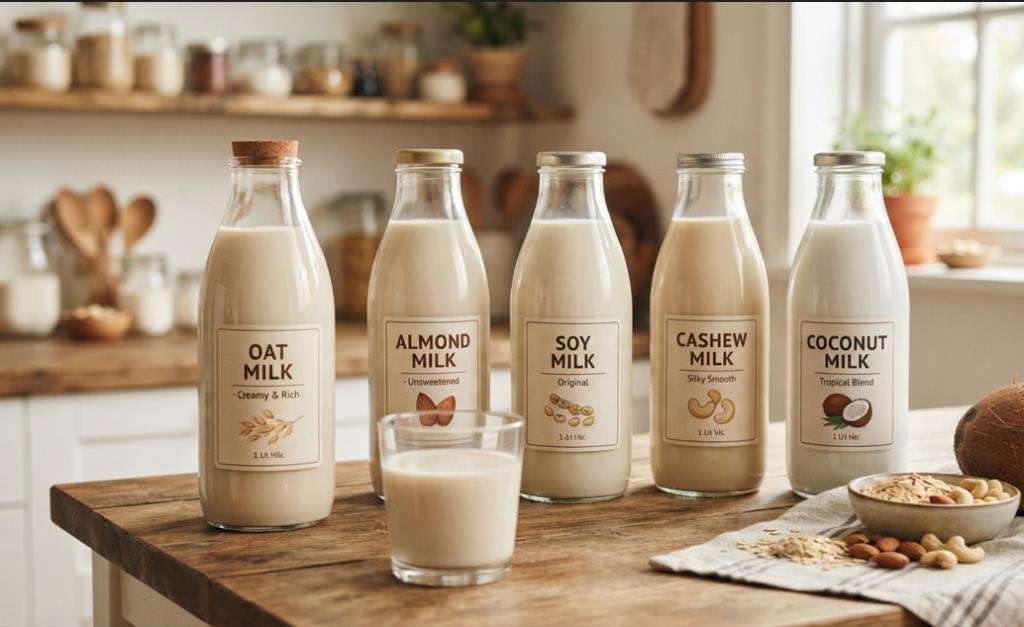
Vegan Milk is a plant-based alternative to traditional dairy milk. Instead of coming from animals, it is made from ingredients such as oats, soybeans, almonds, coconuts, rice, peas, hemp seeds, or cashews. The raw ingredients are blended with water, filtered, and often fortified with important nutrients like calcium, vitamin D, and vitamin B12.
Unlike dairy milk, plant-based milk contains no lactose or animal-derived ingredients, making it suitable for vegans, people with lactose intolerance, and those with dairy allergies. Today, Vegan Milk has become a mainstream choice rather than a niche product. Cafés, restaurants, and grocery stores now offer multiple options because demand continues to grow among consumers seeking healthier and more sustainable food choices.
How Is Vegan Milk Made?
Although each variety has its own production process, most plant-based milks follow similar steps:
- The plant ingredient is soaked if necessary.
- It is blended with filtered water.
- The mixture is strained for a smooth texture.
- Vitamins and minerals may be added to improve nutritional value.
- The milk is pasteurized and packaged for freshness.
Common Types of Plant-Based Ingredients
The most popular ingredients used to make vegan milk include:
- Almonds
- Soybeans
- Oats
- Coconut
- Rice
- Cashews
- Peas
- Hemp seeds
- Flaxseed
- Macadamia nuts
Why More People Are Choosing Vegan Milk
The popularity of Vegan Milk isn’t just a passing trend. It’s driven by changing lifestyles, scientific research, and growing awareness of nutrition and sustainability.
1. Easier to Digest: Millions of adults worldwide experience lactose intolerance, which can cause bloating, stomach discomfort, and digestive issues after consuming dairy. Since plant-based milk is naturally lactose-free, it offers a comfortable alternative for many people.
2. Supports Different Dietary Preferences: Whether someone follows a vegan lifestyle, eats mostly plant-based foods, or simply wants to reduce dairy intake, vegan milk provides a flexible option that fits a wide range of eating habits.
3. Heart-Conscious Choice: Many unsweetened varieties contain little or no saturated fat and are naturally cholesterol-free. When combined with a balanced diet, these options can support heart-friendly eating habits.
4. Better for the Environment: Producing many plant-based milks generally requires fewer natural resources than dairy farming. While the environmental impact varies by type, several options—particularly oat and soy milk—can have a lower carbon footprint than traditional dairy.
5. Wide Variety of Choices: Unlike the past, today’s consumers can choose from dozens of plant-based options. Some are rich in protein, others are creamy enough for coffee, while some are ideal for baking or breakfast cereals.
Types of Vegan Milk
Not all plant-based milks are the same. Each has distinct nutritional strengths, flavors, and best-use cases.
| Type | Taste & Texture | Key Benefit | Best Uses |
| Almond Milk | Light, slightly nutty | Low in calories | Smoothies, cereal, coffee |
| Soy Milk | Creamy and mild | High in protein | Cooking, baking, daily drinking |
| Oat Milk | Smooth and naturally sweet | Excellent texture | Coffee, tea, desserts |
| Coconut Milk | Rich and tropical | Healthy fats | Curries, soups, baking |
| Rice Milk | Mild and thin | Allergy-friendly | Cereals, light beverages |
| Cashew Milk | Creamy and smooth | Pleasant flavor | Sauces, coffee, smoothies |
Almond Milk
Almond milk is one of the most popular dairy alternatives. It’s naturally low in calories and has a mild nutty flavor that pairs well with cereals, smoothies, and coffee. Unsweetened versions are ideal for those watching their sugar intake.
Soy Milk
Soy milk is widely recognized for its high protein content, making it one of the closest nutritional alternatives to dairy milk. It performs well in cooking, baking, and everyday use, making it a favorite among athletes and families.
Oat Milk
Oat milk is loved for its creamy texture and naturally sweet taste. It froths well, making it a top choice for coffee lovers and café-style beverages. Its smooth consistency also works beautifully in soups and desserts.
Vegan Milk Nutrition: What Makes It a Healthy Choice?
One of the biggest reasons people switch to Vegan Milk is its nutritional flexibility. While the exact nutrient profile depends on the type of plant used, most fortified varieties provide essential vitamins and minerals that support overall health. Many products are enriched with calcium, vitamin D, and vitamin B12 to offer nutritional benefits similar to dairy milk.
It’s important to remember that not all plant-based milks are created equal. Some are naturally higher in protein, while others are lower in calories or contain more healthy fats. Reading the nutrition label before purchasing can help you select the best option for your personal health goals.
Calories
If you’re aiming to reduce calorie intake, unsweetened almond milk is often one of the lightest options. Oat milk usually contains more calories because of its natural carbohydrate content, while coconut milk beverages vary depending on the brand.
Protein
Protein is essential for muscle maintenance, tissue repair, and overall body function. Among all plant-based options, soy milk generally provides the highest protein content, often delivering around 7–8 grams per serving. Pea milk is another excellent choice for those looking to increase protein intake.
Healthy Fats
Many varieties of Vegan Milk contain heart-friendly unsaturated fats instead of the saturated fats commonly found in whole dairy milk. Almond, flax, and hemp milk are especially valued for their healthy fat profile.
Calcium and Vitamin D
Since many plant-based milks don’t naturally contain as much calcium as dairy, manufacturers frequently fortify them. Choosing fortified products helps support strong bones and teeth, particularly for individuals following a vegan diet.
Vitamin B12
Vitamin B12 is naturally found in animal products, making fortified vegan milk an important dietary source for many vegans. Regularly consuming B12-fortified foods can help maintain healthy nerve function and red blood cell production.
Added Sugar Matters
Some flavored varieties contain significant amounts of added sugar. Whenever possible, choose unsweetened versions and sweeten them naturally at home if needed. This simple habit helps reduce unnecessary calorie and sugar intake.
Health Benefits of Vegan Milk
When included as part of a balanced diet, Vegan Milk can offer numerous health advantages. Its benefits go beyond simply replacing dairy—it can support long-term wellness when chosen wisely.
1. Supports Heart Health: Many plant-based milks are naturally cholesterol-free and lower in saturated fat than full-fat dairy milk. Replacing foods high in saturated fat with healthier alternatives may contribute to better cardiovascular health over time.
2. Suitable for Lactose Intolerance: Millions of people experience digestive discomfort after consuming dairy products due to lactose intolerance. Since vegan milk contains no lactose, it provides a comfortable alternative without sacrificing convenience or versatility.
3. May Help with Weight Management: Unsweetened almond milk and other low-calorie varieties can fit well into calorie-conscious eating plans. Choosing lower-calorie beverages may help people manage their daily energy intake while still enjoying creamy drinks.
4. Provides Essential Nutrients: Fortified products often deliver important nutrients such as calcium, vitamin D, and vitamin B12, helping support bone health and overall nutrition for those reducing or avoiding dairy.
5. Offers Variety for Different Diets: Whether you follow a vegan, vegetarian, flexitarian, or dairy-free lifestyle, plant-based milk can easily fit into everyday meals. It works well in coffee, cereal, smoothies, soups, baking, and many other recipes.
Vegan Milk vs Dairy Milk: Which One Is Better?
There isn’t a single answer because the best choice depends on your nutritional needs, lifestyle, and personal preferences. Instead of asking which is universally better, it’s more useful to consider which option is best for your specific goals.
Nutrition: Dairy milk naturally contains complete protein and calcium. However, fortified soy milk comes very close nutritionally, while other varieties offer different strengths such as lower calories or healthier fats.
Digestibility: People with lactose intolerance or dairy allergies often tolerate plant-based milk much better. This makes vegan milk an excellent everyday substitute for many households.
Taste and Texture: Taste is highly personal. Oat milk is known for its creamy consistency, almond milk offers a mild nutty flavor, coconut milk has a rich tropical taste, and soy milk provides a neutral profile suitable for many recipes.
Environmental Impact: One area often overlooked by competing articles is sustainability. Research consistently suggests that many plant-based milks require fewer natural resources than dairy production. While almond cultivation can use considerable water, oat and soy milk generally have a lower environmental footprint, making them attractive choices for eco-conscious consumers.
How to Choose the Best Vegan Milk
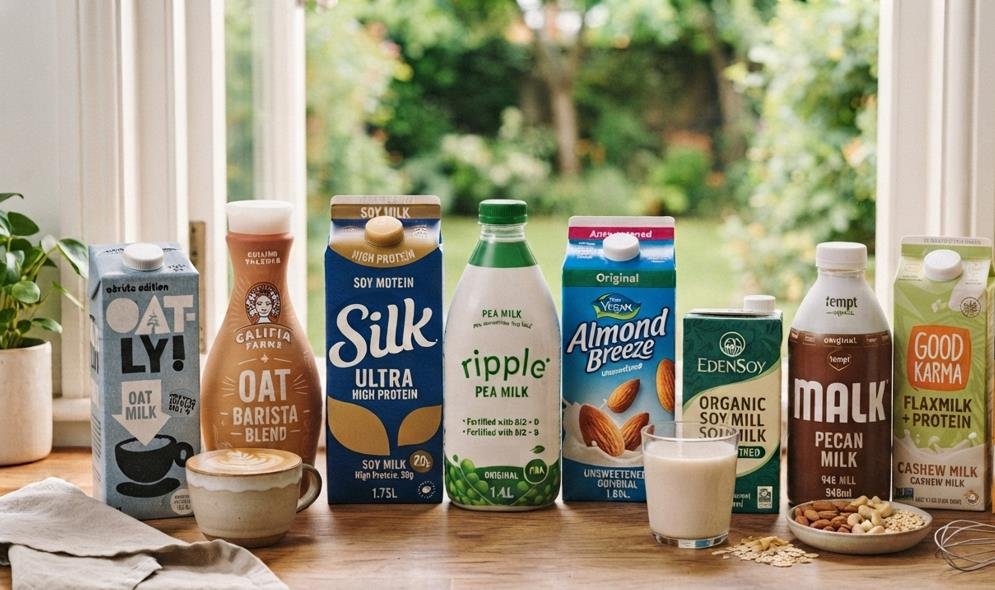
With so many products on store shelves, selecting the right option can feel confusing. Instead of choosing based on marketing claims alone, consider how you’ll actually use the milk.
For High Protein: Choose soy milk or pea milk if you’re active, building muscle, or simply want a protein-rich dairy alternative.
For Coffee and Lattes: Oat milk remains one of the most popular choices because of its naturally creamy texture and ability to froth well without separating.
For Weight Management: Unsweetened almond milk is typically among the lowest-calorie options available.
For Cooking and Baking: Soy milk’s neutral flavor and balanced consistency make it an excellent ingredient for sauces, pancakes, muffins, and baked goods.
For Families: Look for fortified varieties containing calcium, vitamin D, and vitamin B12. These nutrients are especially valuable for children and adults who consume little or no dairy.
Homemade vs. Store-Bought Vegan Milk
Both homemade and store-bought Vegan Milk have their own advantages. The right choice depends on your budget, lifestyle, and nutritional needs. Homemade vegan milk is made using simple ingredients such as almonds, oats, soybeans, or cashews blended with water. It contains no artificial preservatives, and you can control the sweetness and flavor. However, homemade versions usually have a shorter shelf life and may lack important nutrients like calcium, vitamin D, and vitamin B12 unless you add them separately.
Store-bought vegan milk is convenient, widely available, and often fortified with essential vitamins and minerals. Many brands also offer unsweetened, organic, and high-protein options to suit different dietary preferences. When buying packaged products, always read the ingredient list and choose varieties with minimal additives and no unnecessary added sugars.
Best Vegan Milk Brands in 2026
Several trusted brands continue to produce high-quality plant-based milk with excellent nutrition and taste. Popular choices include:
- Oatly
- Silk
- Califia Farms
- Alpro
- Ripple
- Elmhurst
- Pacific Foods
- Minor Figures
Rather than focusing only on brand names, compare nutrition labels, protein content, fortification, and ingredient quality before making a purchase. The best product is the one that fits your health goals and daily routine.
Common Mistakes to Avoid Vegan Milk
Many people make simple mistakes when choosing plant-based milk. Avoid these common pitfalls:
- Buying flavored varieties with high added sugar.
- Ignoring calcium and vitamin D fortification.
- Assuming every vegan milk contains high protein.
- Choosing the wrong type for coffee, baking, or cooking.
- Not checking for allergens such as soy or tree nuts.
- Forgetting to shake the carton before use, as natural separation is common.
Conclusion
Choosing the right Vegan Milk is not about finding one perfect option—it’s about selecting the variety that best matches your nutritional needs, taste preferences, and lifestyle. Whether you prefer the protein-rich benefits of soy milk, the creamy texture of oat milk, or the light taste of almond milk, there is a plant-based option for almost every purpose.
As more people embrace healthier eating habits and environmentally conscious choices, vegan milk continues to evolve with better nutrition, improved taste, and greater availability. By comparing ingredients, choosing fortified products, and limiting added sugars, you can confidently make vegan milk a nutritious part of your daily routine.
The best choice is the one that supports your health, works well in your favorite recipes, and fits your long-term wellness goals. With the information in this guide, you’re well equipped to enjoy the many benefits of vegan milk while making informed decisions for yourself and your family.
FAQs about Vegan Milk
Q1: What is Vegan Milk made from?
Ans: Vegan milk is produced from plant-based ingredients such as almonds, oats, soybeans, rice, coconut, cashews, peas, hemp, or flax seeds blended with water.
Q2: Is Vegan Milk healthier than dairy milk?
Ans: It depends on your nutritional needs. Fortified vegan milk can provide essential vitamins and minerals while being naturally lactose-free and often lower in saturated fat.
Q3: Which Vegan Milk has the most protein?
Ans: Soy milk and pea milk generally contain the highest protein among popular plant-based milk options.
Q4: Can children drink Vegan Milk?
Ans: Yes, but parents should choose fortified varieties and consult a healthcare professional to ensure children receive adequate nutrients for healthy growth.
Q5: Which Vegan Milk is best for coffee?
Ans: Oat milk is widely preferred because of its creamy texture and excellent frothing ability, making it ideal for coffee and lattes.
Q6: How long does Vegan Milk last after opening?
Ans: Most refrigerated vegan milk stays fresh for 7–10 days after opening when stored properly in the refrigerator. Always follow the manufacturer’s instructions.
Q7: Can Vegan Milk be used for cooking and baking?
Ans: Absolutely. Soy milk, oat milk, and cashew milk are excellent choices for soups, sauces, pancakes, cakes, muffins, and many other recipes.