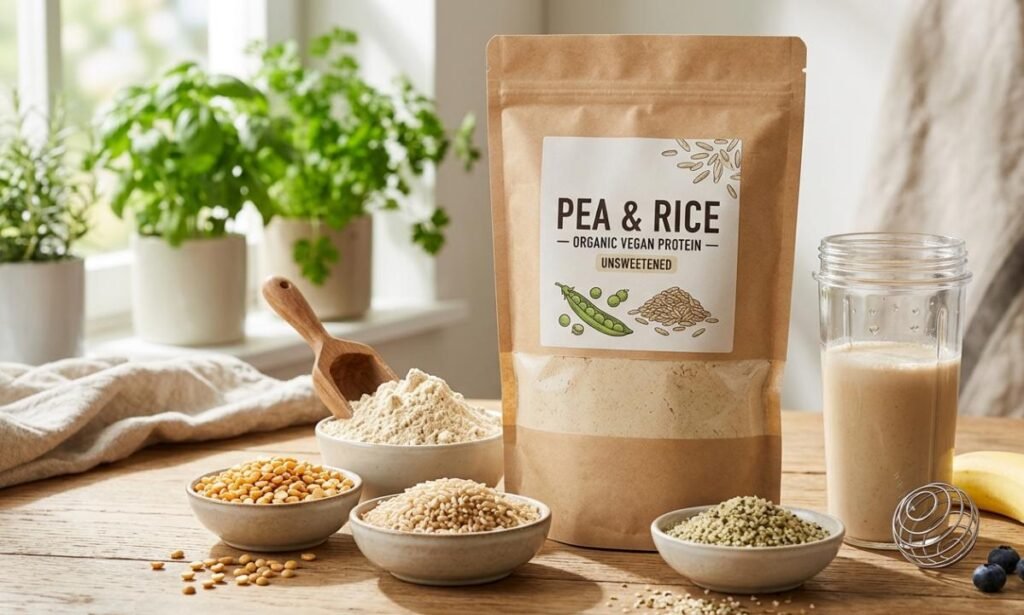

Meeting your daily protein needs is one of the foundations of a healthy lifestyle. Protein plays a vital role in building and repairing muscles, supporting the immune system, producing enzymes and hormones, and keeping you feeling full after meals. While whole foods remain the best source of nutrition, many people find it challenging to consume enough protein every day. This is where vegan protein powder can be a convenient and effective addition to a balanced diet. Made from plant-based ingredients such as peas, soy, brown rice, hemp, and pumpkin seeds, vegan protein powder offers a dairy-free alternative to traditional whey protein.
It is suitable not only for vegans and vegetarians but also for people with lactose intolerance, dairy allergies, or those simply looking to increase their intake of plant-based foods. One of the biggest advantages of vegan protein powder is its versatility. It can be blended into smoothies, mixed with oatmeal, stirred into yogurt alternatives, or used in baking to boost the protein content of everyday meals. Modern formulations also provide improved taste, texture, and amino acid profiles, making them a practical option for people with different health and fitness goals.
What vegan protein powder is, how it is made, its nutritional value, and the key ways it can support daily nutrition. You’ll also discover practical tips for choosing a quality product and using it effectively as part of a healthy eating pattern.
Read more: FTAsiaEconomy Tech Trend: How Emerging Technologies Are Transforming Business
What Is Vegan Protein Powder?
Vegan protein powder is a plant-based dietary supplement designed to help increase protein intake. Unlike whey or casein protein, which come from milk, vegan protein powder is made entirely from plants. Manufacturers extract protein from nutrient-rich ingredients, remove much of the fat and carbohydrates, and create a concentrated powder that can easily be mixed into foods and beverages.
Many products combine several plant proteins to provide a more balanced amino acid profile. This approach helps improve protein quality while offering a smoother texture and better flavor than single-source formulas.
Common Types of Vegan Protein Powder
Several plant sources are commonly used to make vegan protein powder, each offering unique nutritional benefits.
- Pea Protein: Rich in branched-chain amino acids (BCAAs), making it a popular choice for muscle recovery and strength training.
- Soy Protein: One of the few plant proteins that naturally contains all nine essential amino acids, making it a complete protein.
- Brown Rice Protein: Easy to digest and often combined with pea protein to improve amino acid balance.
- Hemp Protein: Provides protein along with fiber, healthy fats, and minerals.
- Pumpkin Seed Protein: A nutrient-dense option containing magnesium, zinc, and antioxidants.
- Plant Protein Blends: Combine multiple protein sources to maximize nutritional quality and improve taste.
How Is Vegan Protein Powder Made?
The production process begins with high-quality plant ingredients. The protein is separated from the natural carbohydrates and fats using filtration and drying methods. The resulting protein concentrate or isolate is then blended with natural flavors or sweeteners, depending on the product.
Some premium brands also include digestive enzymes, probiotics, or added vitamins and minerals to improve nutrient absorption and overall nutritional value.
Top Vegan Protein Powder Benefits for Daily Nutrition
Adding vegan protein powder to your routine can support a healthy diet in many ways. While it should not replace whole foods, it can help fill nutritional gaps when used responsibly.
Helps Meet Daily Protein Requirements
Protein is essential for nearly every function in the body. However, busy schedules, dietary restrictions, or increased physical activity can make it difficult to consume enough through meals alone. A serving of vegan protein powder typically provides between 15 and 30 grams of protein, making it an efficient way to boost your daily intake. This can be particularly beneficial for active individuals, older adults, and people following plant-based diets.
Supports Muscle Growth and Recovery
Protein supplies the amino acids needed to repair muscle tissue after exercise. Consuming sufficient protein throughout the day helps maintain lean muscle mass and supports recovery following strength training or endurance workouts. Many modern plant-based protein blends provide amino acid profiles that are suitable for supporting muscle maintenance when combined with regular resistance exercise and a balanced diet.
Promotes Healthy Weight Management
High-protein foods often increase feelings of fullness, which may help reduce unnecessary snacking between meals. Adding a protein-rich smoothie as part of breakfast or after exercise can contribute to better appetite control. It’s important to remember that vegan protein powder is most effective when combined with healthy eating habits rather than used as a quick fix for weight loss.
Supports Everyday Energy
Protein contributes to stable energy levels by slowing digestion and promoting balanced blood sugar when paired with fiber-rich carbohydrates and healthy fats. Including a protein-rich snack during busy days may help you stay satisfied and focused for longer.
Suitable for Dairy-Free Diets
People with lactose intolerance or milk allergies often struggle to find protein supplements they can comfortably consume. Because vegan protein powder contains no dairy ingredients, it provides an excellent alternative while still delivering high-quality nutrition. Its plant-based ingredients also align well with vegan, vegetarian, and environmentally conscious lifestyles.
Nutritional Value of Vegan Protein Powder
The nutritional profile of vegan protein powder varies depending on its ingredients and formulation. Most quality products are designed to provide a concentrated source of protein while keeping added sugars and unnecessary fillers to a minimum.
| Nutrient | Typical Amount Per Serving | Primary Benefit |
| Protein | 20–30 g | Supports muscle repair and growth |
| Calories | 100–180 | Provides energy |
| Carbohydrates | 2–10 g | Fuels daily activities |
| Fiber | 2–6 g | Supports digestive health |
| Healthy Fats | 1–5 g | Helps maintain overall wellness |
Who Should Use Vegan Protein Powder?
Vegan protein powder
is a practical option for many people—not just those following a vegan lifestyle. Whether your goal is improving nutrition, supporting fitness, or finding a dairy-free protein source, it can fit into a wide range of eating habits.
Vegans and Vegetarians
People following plant-based diets may find it more challenging to meet their daily protein needs through food alone, especially during busy weeks. While legumes, tofu, lentils, quinoa, nuts, and seeds are excellent protein sources, a protein supplement offers added convenience. A smoothie made with vegan protein powder can be an easy breakfast or post-workout snack without relying on animal-based ingredients.
Athletes and Fitness Enthusiasts
Exercise increases the body’s need for protein to repair and maintain muscle tissue. Whether you’re lifting weights, running, cycling, or participating in team sports, adequate protein intake supports recovery and long-term performance. Although whole foods should remain the primary protein source, vegan protein powder provides a quick and portable option after workouts when preparing a full meal isn’t practical.
Busy Professionals and Students
Many people skip meals or choose convenience foods because of hectic schedules. Adding a scoop of vegan protein powder to a smoothie with fruit, oats, and plant-based milk creates a balanced meal in just a few minutes. This can help prevent long gaps between meals and make it easier to meet daily nutritional goals.
Older Adults
As people age, maintaining muscle mass becomes increasingly important for mobility and overall health. Older adults often need to pay closer attention to protein intake, particularly if appetite decreases. A nutritious shake prepared with vegan protein powder can be an easy way to supplement meals without requiring extensive cooking.
People with Dairy Allergies or Lactose Intolerance
Traditional whey protein contains dairy, making it unsuitable for individuals with milk allergies or lactose intolerance. Plant-based protein powders offer a dairy-free alternative while still supplying valuable amino acids needed for everyday nutrition.
How to Choose the Best Vegan Protein Powder
Not all protein powders offer the same nutritional quality. Reading labels carefully can help you select a product that matches your health goals and dietary preferences.
1. Check the Protein Content
A quality product generally provides 20–30 grams of protein per serving. Higher protein content often means fewer fillers and a more concentrated source of nutrition.
2. Review the Ingredient List
Choose products with simple, recognizable ingredients. Ideally, the first ingredient should be a plant protein source such as pea protein, soy protein, or a plant protein blend. Avoid products containing excessive artificial colors, unnecessary fillers, or large amounts of added sugar.
3. Look for Complete Protein Sources
Protein quality depends on its amino acid profile. Soy protein naturally contains all nine essential amino acids, while blends of pea and rice protein also provide a balanced amino acid composition.
These combinations help support muscle maintenance and overall nutrition.
4. Consider Third-Party Testing
Independent testing helps verify product quality and confirms that the protein powder has been screened for contaminants and accurately labeled.
Choosing brands with third-party certifications can provide additional confidence in product safety and quality.
5. Think About Taste and Mixability
Even the most nutritious supplement won’t be useful if you don’t enjoy drinking it. Reading customer reviews can provide helpful insights into flavor, texture, and how well the powder mixes with water or plant-based milk.
How Much Vegan Protein Powder Should You Take?
There isn’t a single serving recommendation that works for everyone. Protein needs vary based on age, activity level, body size, and overall dietary intake. For most healthy adults, vegan protein powder is intended to supplement—not replace—protein from whole foods. General guidelines include:
- Sedentary adults usually need moderate daily protein intake.
- Active individuals may benefit from higher protein consumption to support exercise recovery.
- Strength-training athletes often require additional protein to help maintain and build lean muscle.
- Older adults may also benefit from increased protein intake to support healthy aging.
Best Ways to Use Vegan Protein Powder
One reason vegan protein powder has become so popular is its versatility. It can easily fit into different meals without requiring complicated preparation.
Blend It into Smoothies
Smoothies remain one of the easiest ways to enjoy extra protein. A balanced smoothie might include:
- Plant-based milk
- Banana
- Mixed berries
- Spinach
- Oats
- One serving of vegan protein powder
Mix It into Oatmeal
Stirring protein powder into warm oatmeal creates a more satisfying breakfast while increasing the meal’s protein content.
Top it with fresh fruit, chia seeds, walnuts, or almond butter for additional nutrients.
Use It in Baking
Protein powder works well in recipes such as:
- Pancakes
- Muffins
- Energy bites
- Homemade protein bars
- Waffles
Add It to Yogurt Alternatives
Mixing vegan protein powder into soy or coconut yogurt creates a quick, protein-rich snack. Add berries, granola, or flaxseeds for extra texture and nutrition.
Prepare a Post-Workout Shake
After exercise, combine protein powder with water or plant-based milk and a piece of fruit for a simple recovery drink. Pairing protein with carbohydrates supports muscle recovery and replenishes energy stores.
Expert Tip
Think of vegan protein powder as a supplement rather than a meal replacement. Whole foods provide fiber, healthy fats, antioxidants, and a wide range of vitamins and minerals that protein powders alone cannot offer. The most effective approach is to use protein powder to complement a balanced diet, helping you meet your daily protein needs while continuing to enjoy a variety of nutrient-rich plant foods.
In the final section, we’ll compare vegan protein powder with whey protein, discuss potential drawbacks and common mistakes, answer frequently asked questions, and summarize the key takeaways for choosing the right product.
Vegan Protein Powder vs. Whey Protein
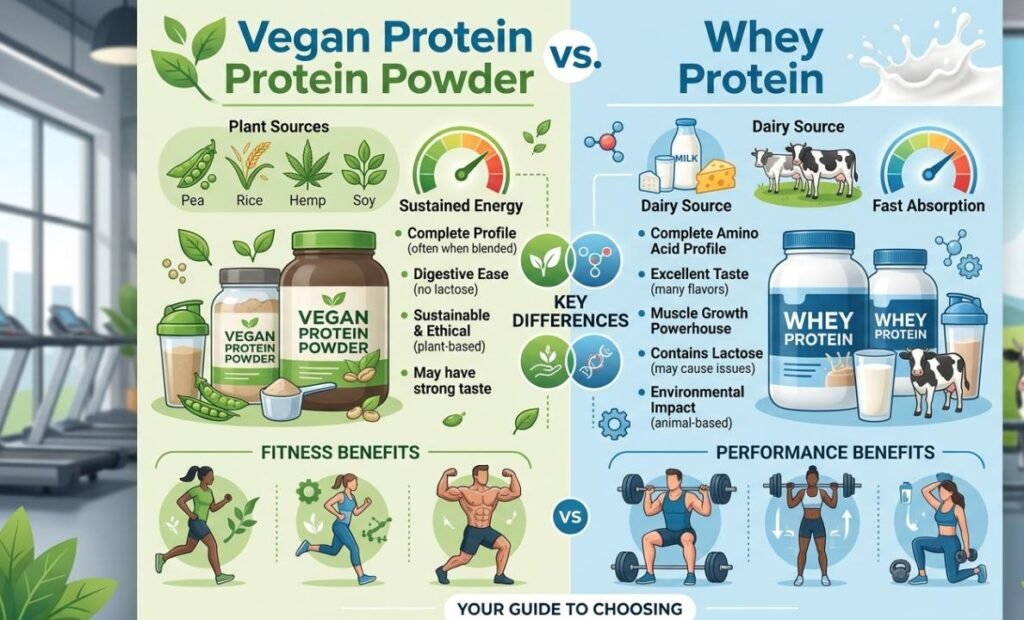
Both vegan protein powder and whey protein can help increase daily protein intake, but they differ in their ingredients, digestibility, and environmental impact. The right choice depends on your dietary preferences, health needs, and fitness goals. Whey protein is derived from milk and naturally contains all nine essential amino acids, making it a complete protein. However, it is not suitable for vegans and may cause digestive discomfort for people with lactose intolerance or dairy allergies.
In contrast, vegan protein powder is made from plant sources such as peas, soy, brown rice, and hemp. Many modern formulas combine multiple plant proteins to provide a complete amino acid profile while remaining dairy-free. Plant-based options also tend to have a lower environmental footprint, making them a popular choice for individuals seeking more sustainable nutrition.
If your priority is a dairy-free diet, plant-based eating, or improved digestibility, vegan protein powder is an excellent option. For muscle growth and recovery, both whey and high-quality plant protein blends can be effective when consumed as part of a balanced diet and exercise program.
Possible Drawbacks of Vegan Protein Powder
Although vegan protein powder offers many benefits, it is important to understand its limitations.
Taste and Texture: Some plant proteins have a naturally earthy flavor or slightly grainy texture. Fortunately, newer formulations have improved significantly by using blended protein sources and natural flavoring.
Ingredient Quality Varies: Not every product is created equally. Some brands include excessive added sugar, artificial sweeteners, or unnecessary fillers. Reading ingredient labels carefully can help you choose a cleaner product.
Not a Replacement for Whole Foods:
Protein powder should supplement a healthy diet rather than replace nutritious meals. Whole foods provide essential vitamins, minerals, antioxidants, and fiber that cannot be fully replicated in a supplement.
Expert Recommendations
Health and nutrition professionals generally recommend using protein supplements to fill dietary gaps—not as a substitute for healthy eating habits. For the best results:
- Prioritize whole-food protein sources whenever possible.
- Choose products with at least 20 grams of protein per serving.
- Look for third-party tested brands with transparent ingredient lists.
- Pair protein shakes with fruits, vegetables, healthy fats, and whole grains for balanced nutrition.
- Select a protein source that matches your dietary needs, activity level, and personal preferences.
Conclusion
Vegan protein powder is a convenient, nutritious, and versatile supplement that can help support daily protein intake, muscle recovery, and overall wellness. Whether you’re vegan, vegetarian, lactose intolerant, or simply looking to include more plant-based foods in your diet, a high-quality protein powder can complement a healthy eating pattern.
The key is choosing a product with clean ingredients, a balanced amino acid profile, and reliable quality standards. Remember that supplements work best alongside a varied diet rich in whole grains, legumes, fruits, vegetables, nuts, and seeds. vegan protein powder wisely and maintaining a balanced lifestyle, you can meet your nutritional needs more easily while supporting your long-term health and fitness goals.
FAQs about vegan protein powder
Q1: Is vegan protein powder as effective as whey protein?
Ans: Yes. High-quality plant protein blends can support muscle maintenance and recovery effectively when they provide sufficient protein and essential amino acids.
Q2: Can vegan protein powder help build muscle?
Ans: Yes. Combined with resistance training and adequate daily protein intake, vegan protein powder can support muscle growth and repair.
Q3: Can I use vegan protein powder every day?
Ans: Yes. Most healthy adults can safely include it daily as part of a balanced diet, provided it complements rather than replaces whole foods.
Q4: Is vegan protein powder good for weight loss?
Ans: It may support weight management by increasing fullness and helping preserve lean muscle while following a calorie-controlled eating plan.
Q5: What is the best time to take vegan protein powder?
Ans: It can be consumed after exercise, between meals, or at breakfast. The best time depends on your daily protein intake and personal schedule.
Q6: Does vegan protein powder contain all essential amino acids?
Ans: Some plant proteins, such as soy, are complete proteins. Many blended products combine different plant sources to provide all essential amino acids.
Q7: How do I choose a high-quality vegan protein powder?
Ans: Look for products with simple ingredients, at least 20 grams of protein per serving, minimal added sugar, and third-party quality testing